
- Home page
- Top experiences
- Food Lovers
- Noirmoutier, the island of iodine treasures: immersion in the heart of a living tradition
- Food Lovers
- Top experiences
Noirmoutier, the island of iodine treasures: immersion in the heart of a living tradition
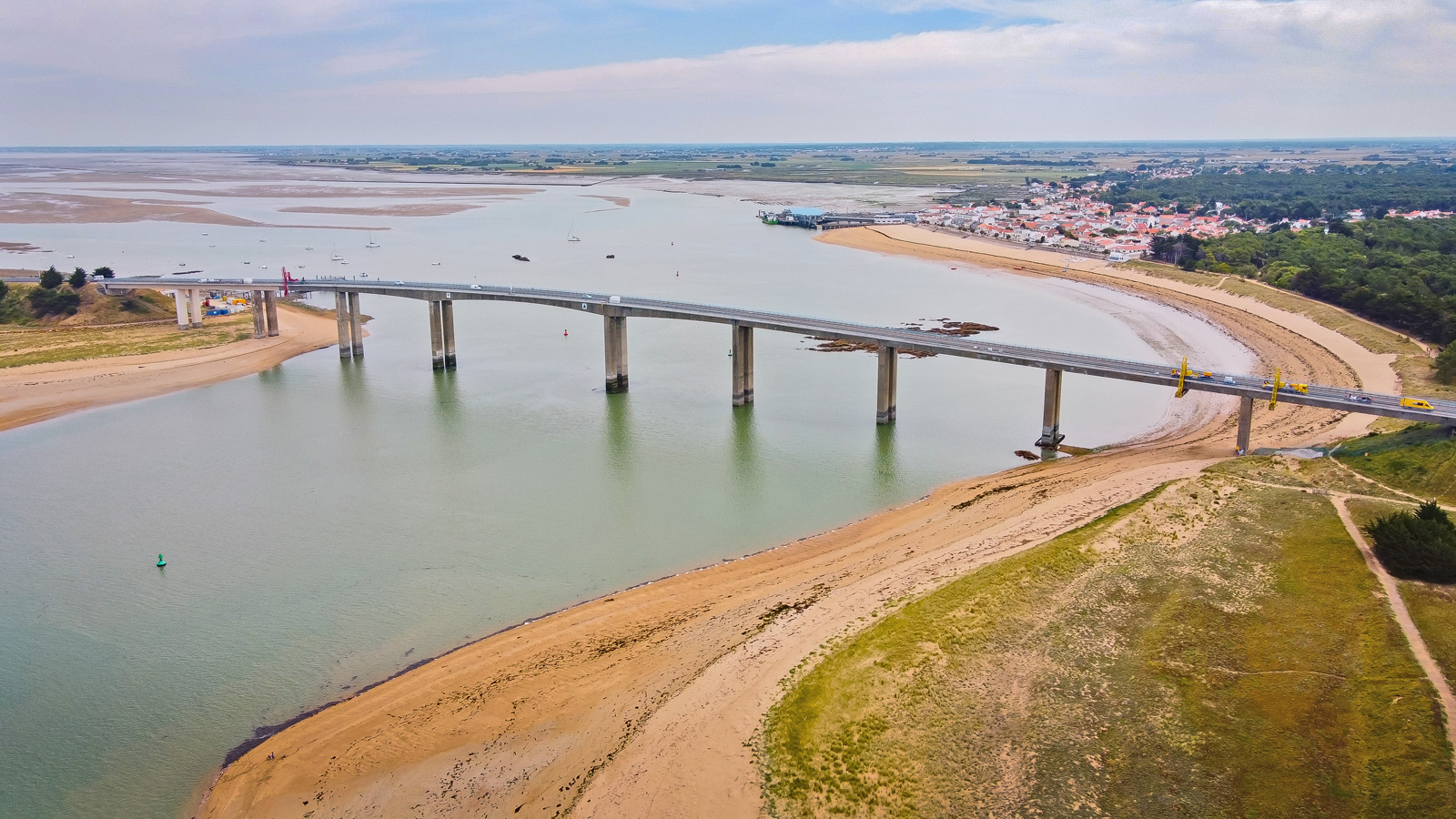
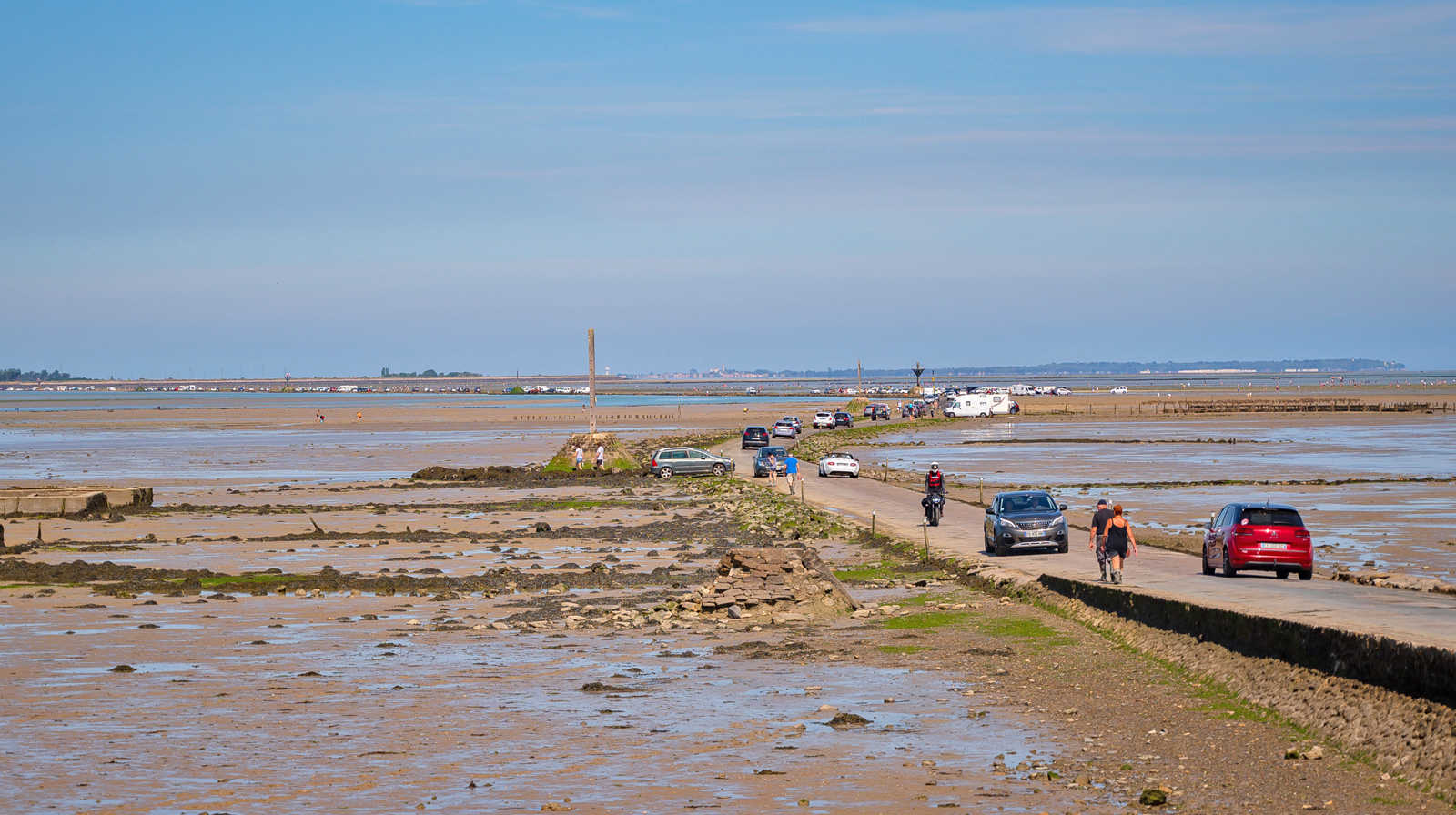
As soon as you cross the Passage du Gois or the bridge that connects the island to the mainland, time seems to stand still. Noirmoutier, nicknamed the Island of Mimosas, is also and above all a land of sailors and farmers of the sea. Here, slow tourism is not a marketing concept, but a way of life that beats to the rhythm of the tides.
Looking for authenticity ? Oyster farming in Noirmoutier offers a unique immersive experience where education meets culinary delights. Follow the guide!
The Noirmoutier foreshore, a natural open-air laboratory
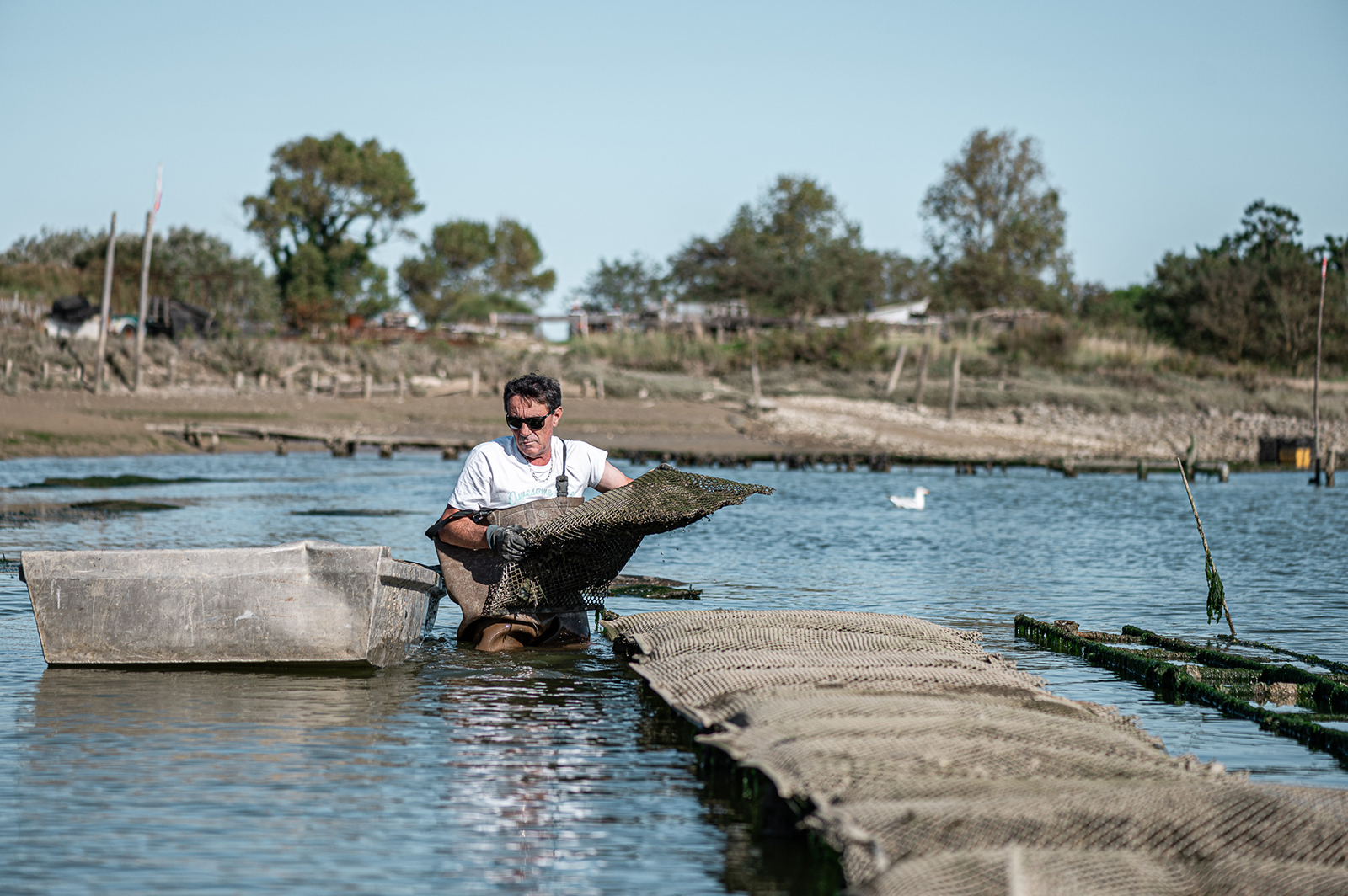
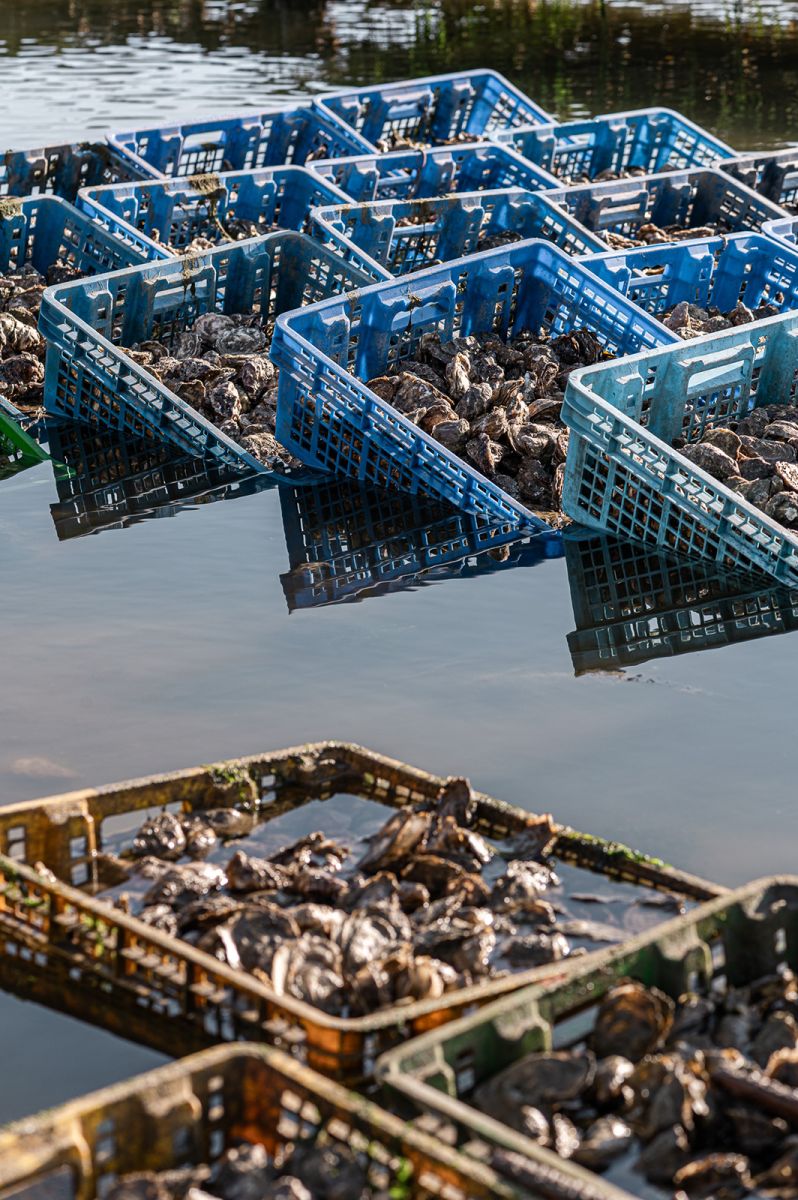
On the island of Noirmoutier, oysters are cultivated at sea in bags fixed to metal structures called " tables ". At low tide, the oyster beds are revealed, creating a unique landscape typical of the Atlantic coast.
This method is not accidental. By raising the shells, oyster farmers protect them from silting while ensuring an optimal supply of nutrients. The bay's marine currents provide a food source rich in phytoplankton, essential for oyster growth.
During a farm visit, you will quickly understand that the oyster farmer is first and foremost a sentinel of the environment : he monitors the water quality and temperature with scientific rigor, because the health of his stock depends directly on the balance of this fragile ecosystem.
From seed to table, a cycle of patience and passion
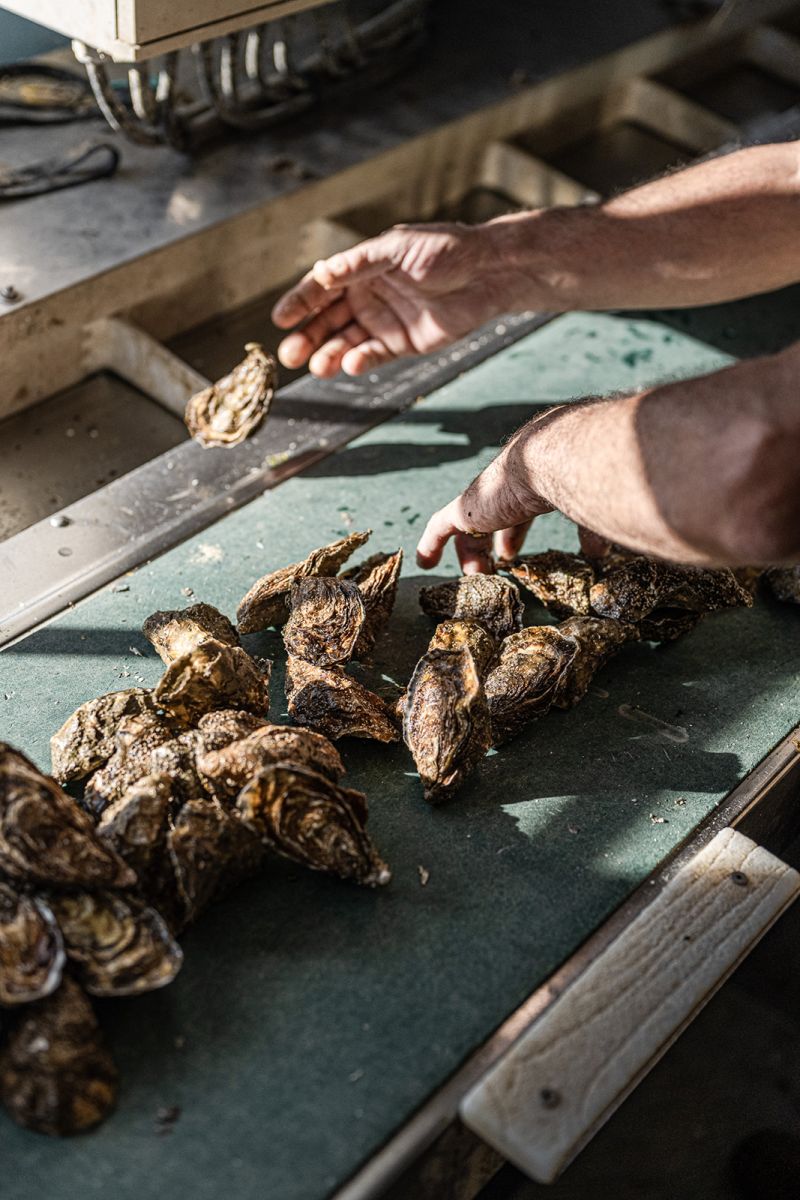
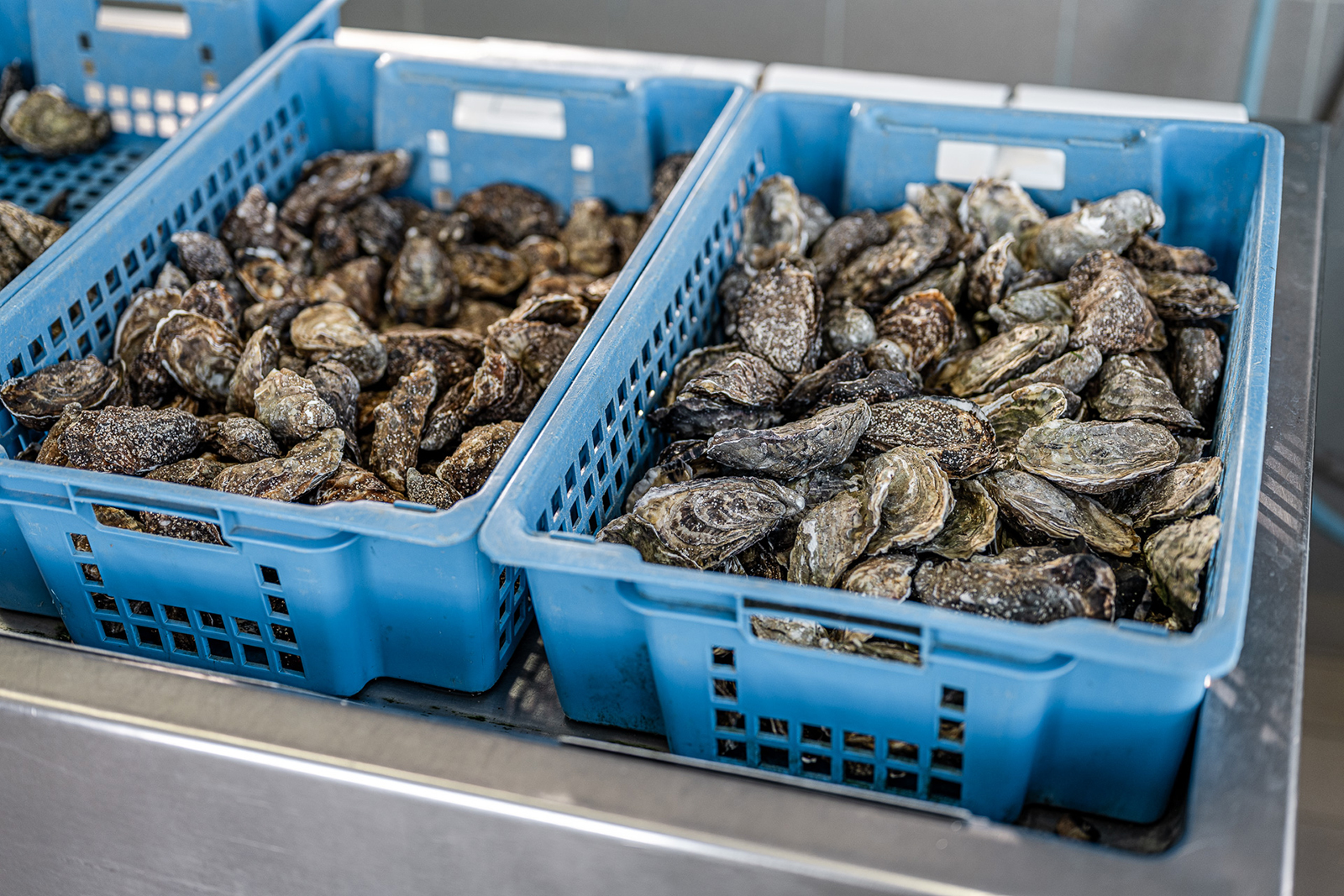
Consumers rarely realize that an oyster requires an average of three years of constant care before it can be enjoyed. The story often begins far from the oyster beds, in specialized hatcheries and nurseries. The Pays de la Loire region is, in fact, a world leader in the production of oyster spat (baby oysters).
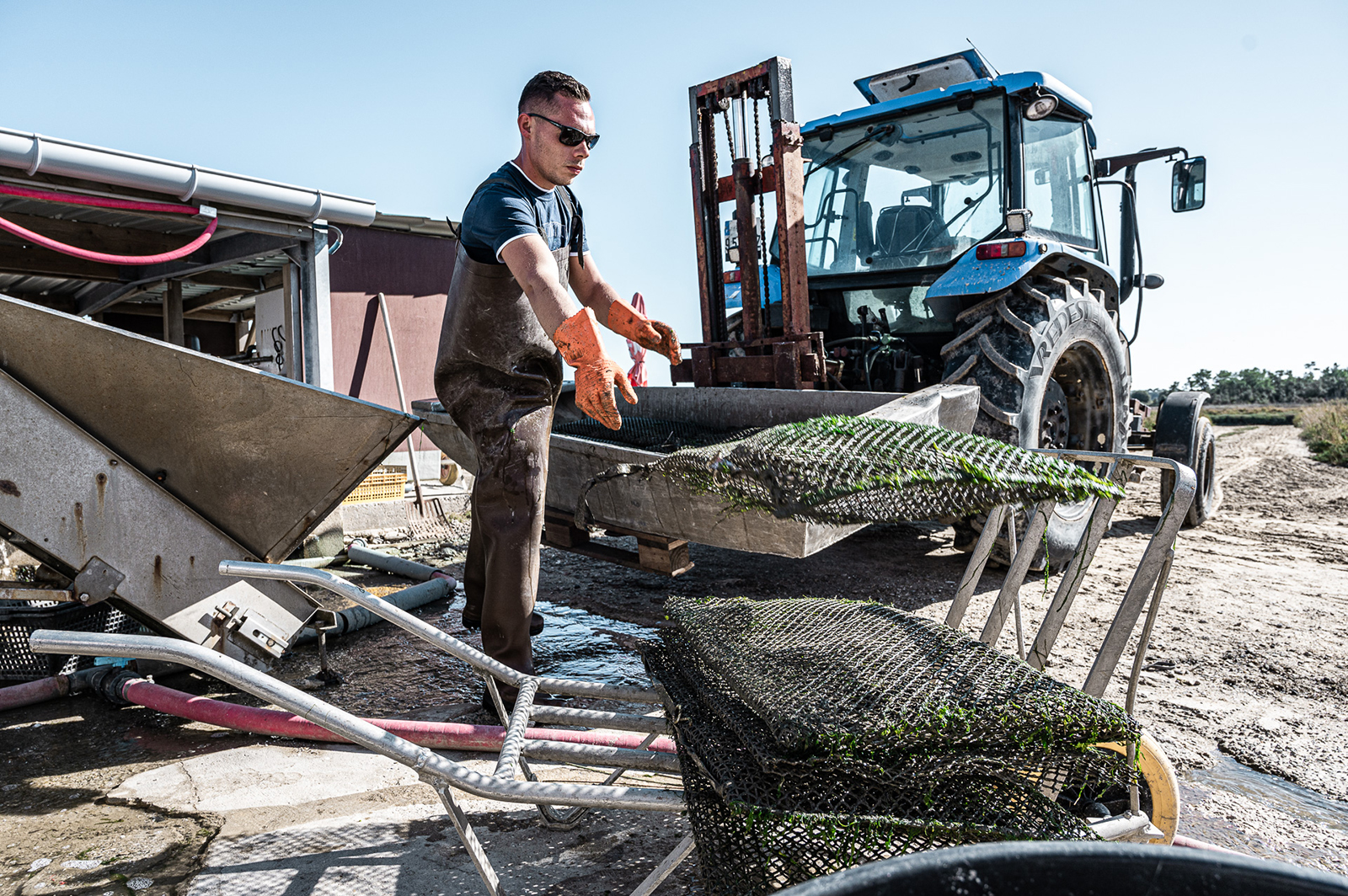
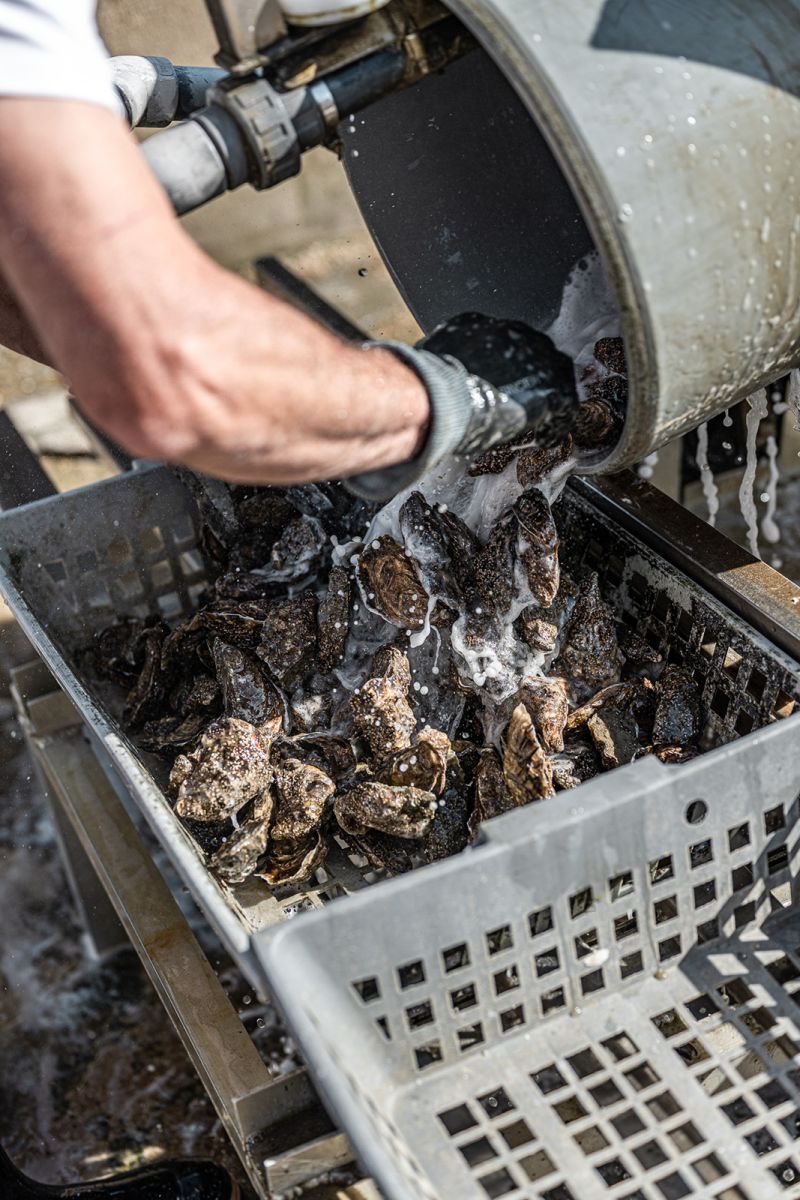
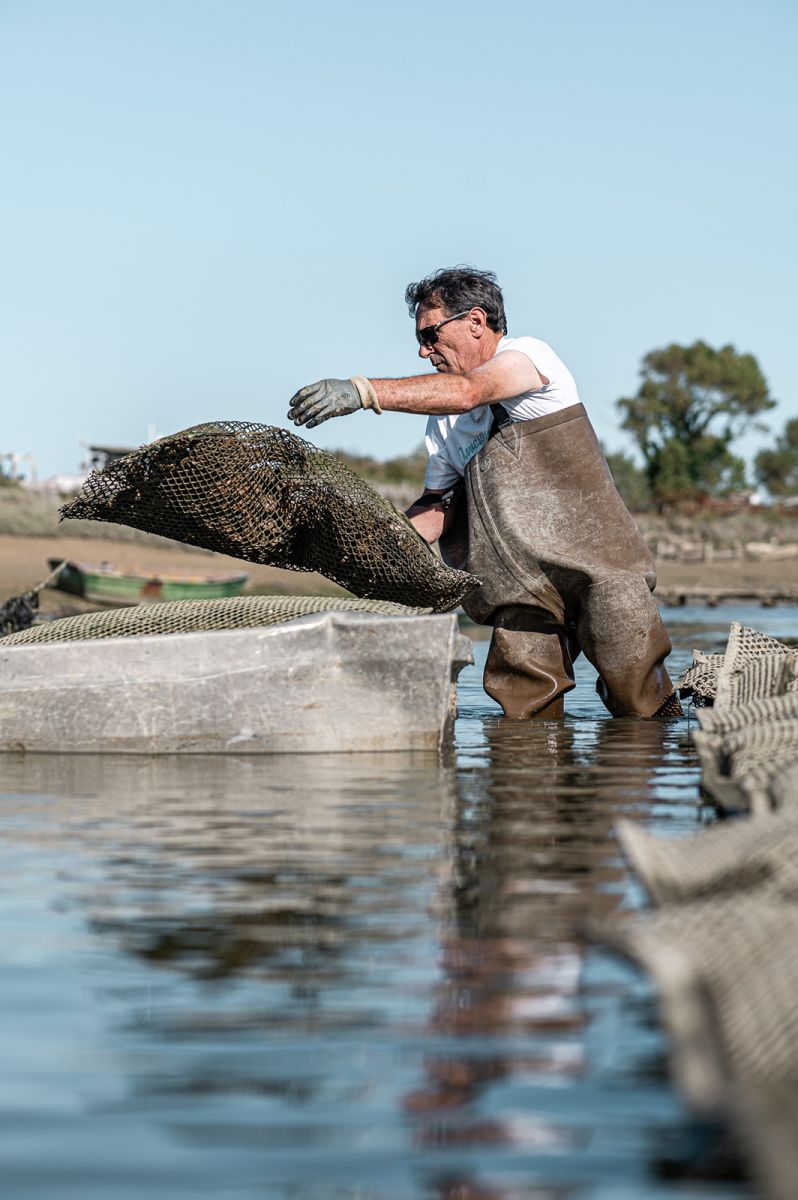
Once they are strong enough, they are released into their natural environment. Some come from traditional oyster farming before "finishing" their growth in the rich waters of Noirmoutier. During these years, the oyster farmer intervenes dozens of times: turning the bags to ensure the oysters are well-formed, sorting them by size, and splitting them to give them more space. It's a job that requires close contact, physical effort, and resilience in the face of unpredictable weather.
A lively visit to put a face to the product
More and more producers are opening their doors to visitors. Whether with family or friends, these educational visits offer a glimpse behind the scenes of a fascinating profession. Visitors learn how oysters grow, but also what makes the island of Noirmoutier so unique.
The oyster farmer explains his daily routine, shows his tools, and shares his successes. This human element radically changes the perception of the product. You're no longer simply consuming a commodity; you're tasting the result of expertise passed down through generations. This close connection is what makes the Vendée shellfish industry so strong.
The tasting in the cabin, the sensory highlight
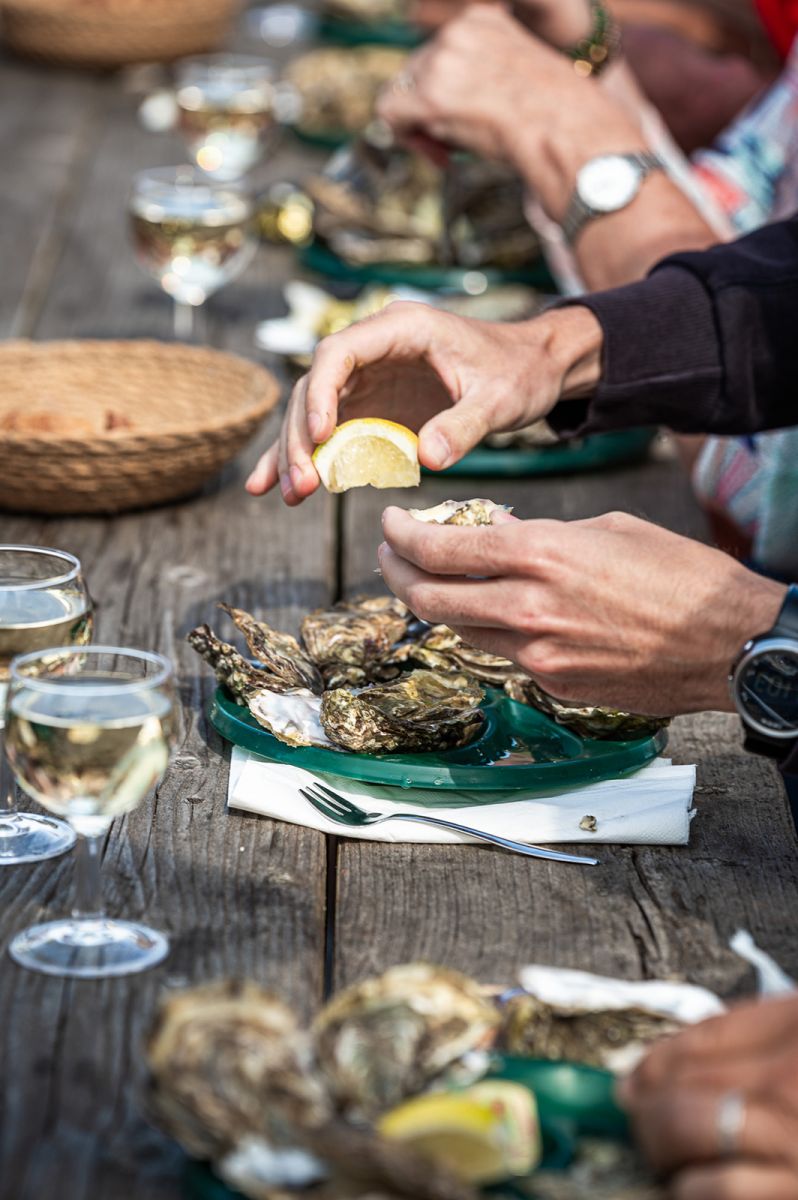
After the visit comes the much-anticipated moment: the gourmet break. Several tasting huts dot the Noirmoutier coastline, from L' Épine to the port of Le Bonhomme. The decor often features driftwood, nets, and a breathtaking view of the oyster beds.
- Tasting is a multi-sensory experience. It involves:
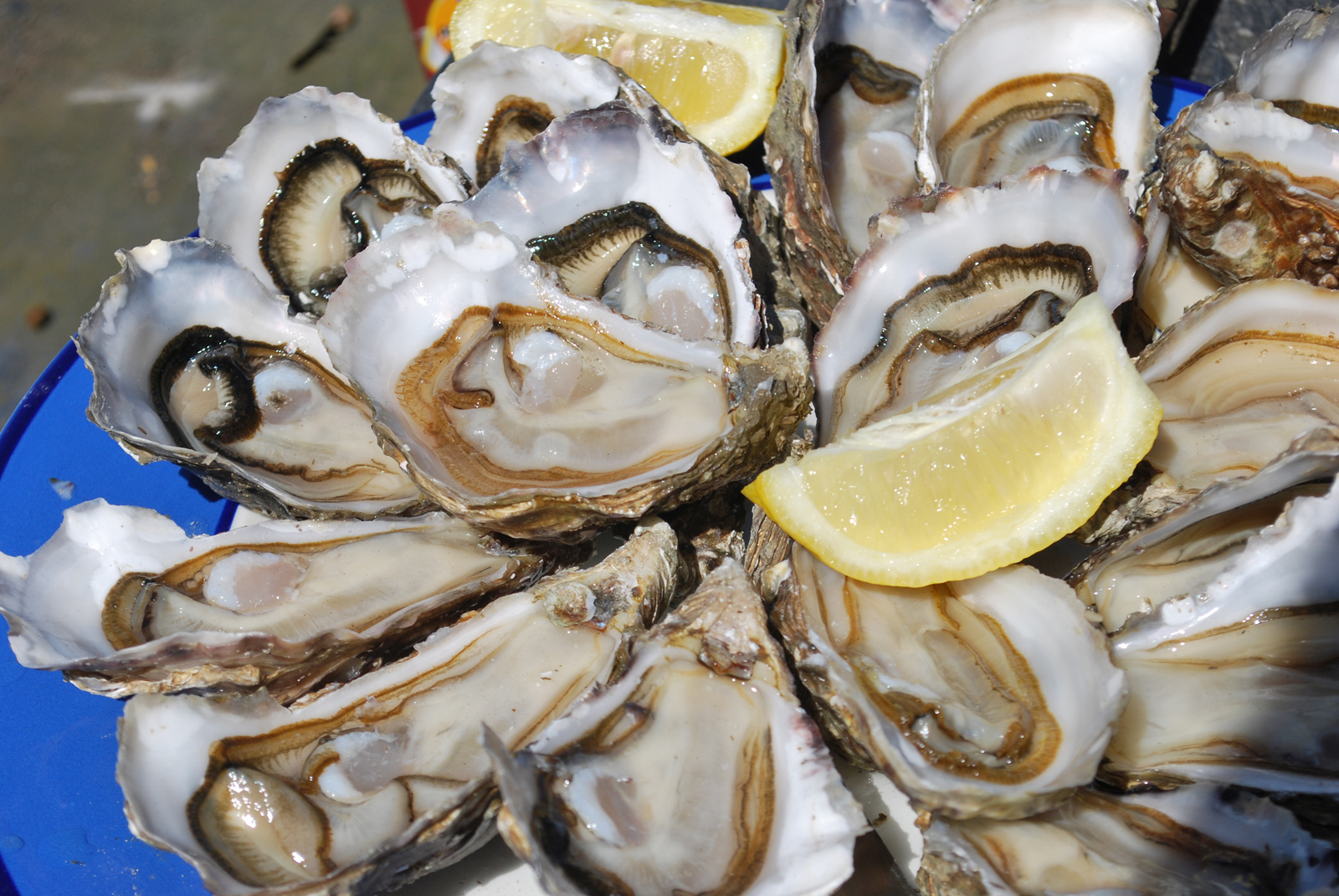
- The visual appearance of the shell, pearly and robust;
- The briny smell that hits your nostrils as soon as you open it;
- And finally, the texture and taste, varying depending on whether the oyster is fine or special.
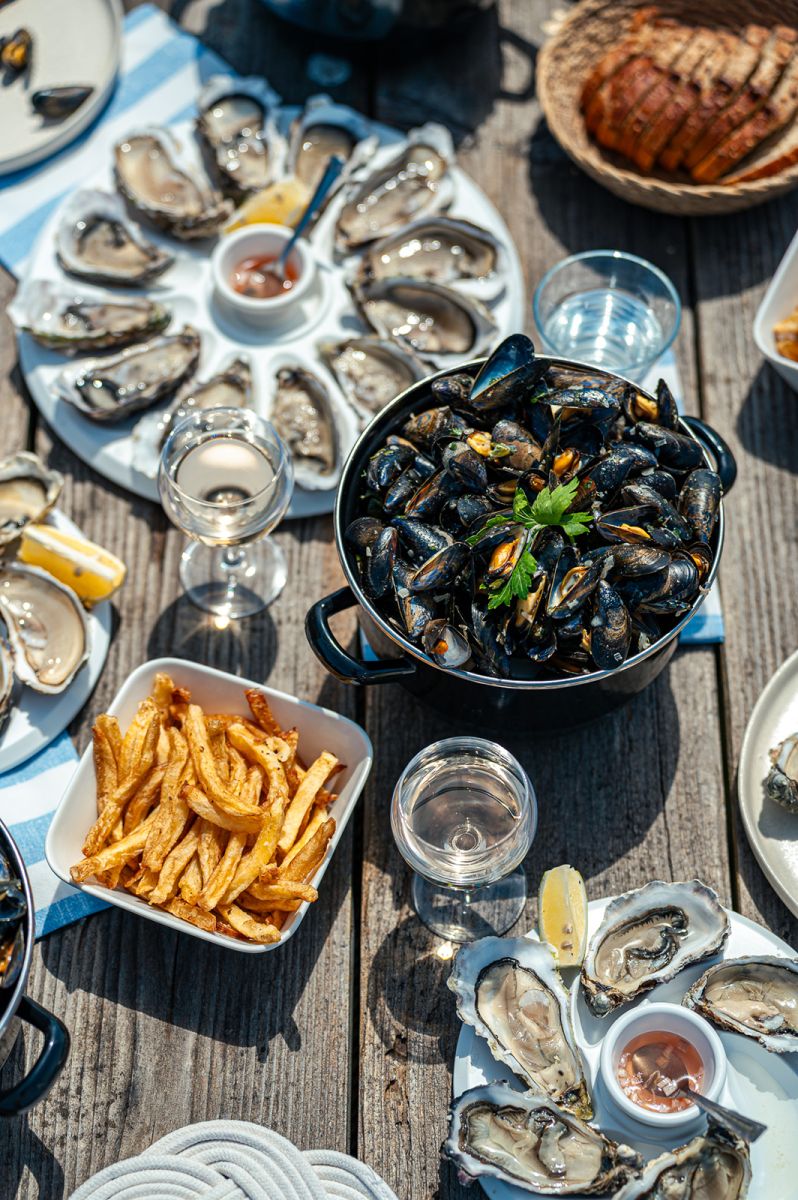
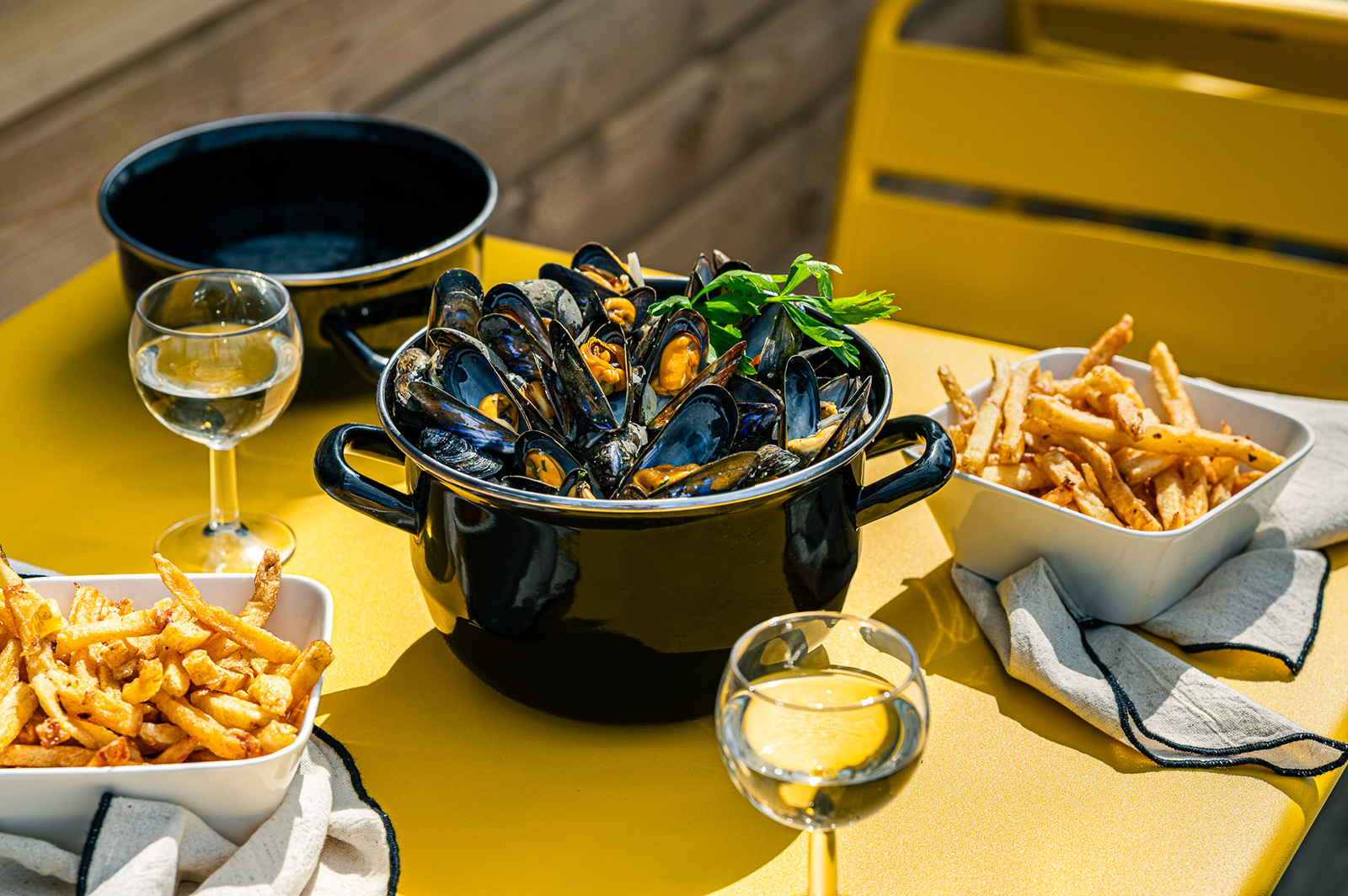
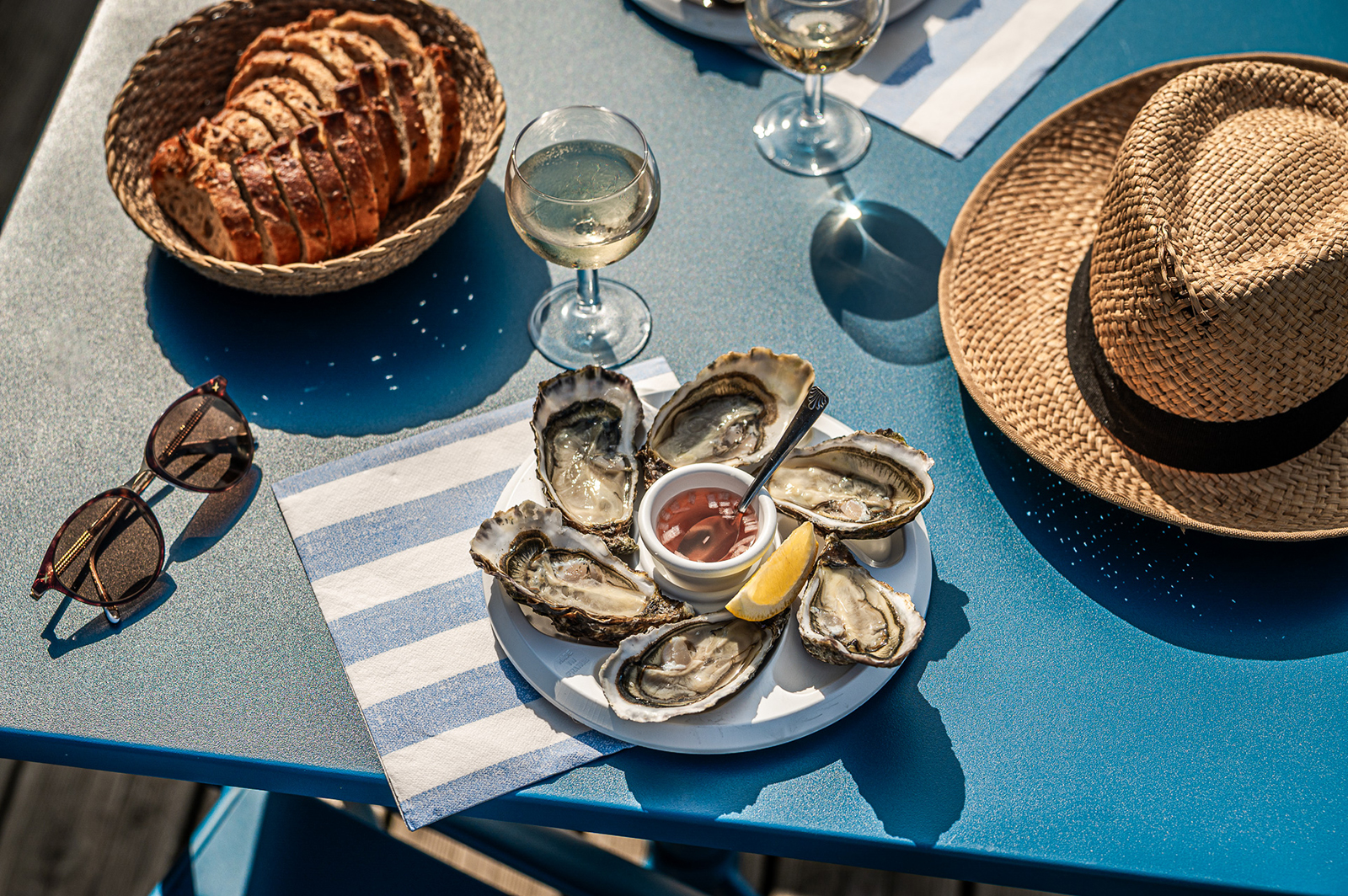
Accompanied by a glass of local white wine (in moderation!) and rye bread, the oysters enjoyed on site have a unique flavor, that of absolute freshness. This is the moment when slow tourism truly comes to life: taking the time to savor, to chat, and to contemplate the horizon.
Prepare your shellfish farming getaway
To ensure your stay in Noirmoutier is a success, don't hesitate to venture off the beaten track. The island is full of small producers eager to share their world.
- Plan your steps: before leaving, consult the interactive map of producers. It will allow you to locate direct sales outlets and establishments offering guided tours.
- Get creative in the kitchen: if you prefer to enjoy your finds in the garden of your holiday rental, let yourself be inspired by creative recipes. Oysters lend themselves equally well to hot preparations as to surprising pairings with citrus fruits or ginger.
By choosing to visit an oyster farm in Noirmoutier, you support a local, sustainable economy that respects its environment. It's an immersive experience that nourishes both the mind and the palate, an enchanting interlude in the heart of the Vendée's maritime heritage.
Sel et fleur de sel de la coopérative de sel de Noirmoutier en L’Ile
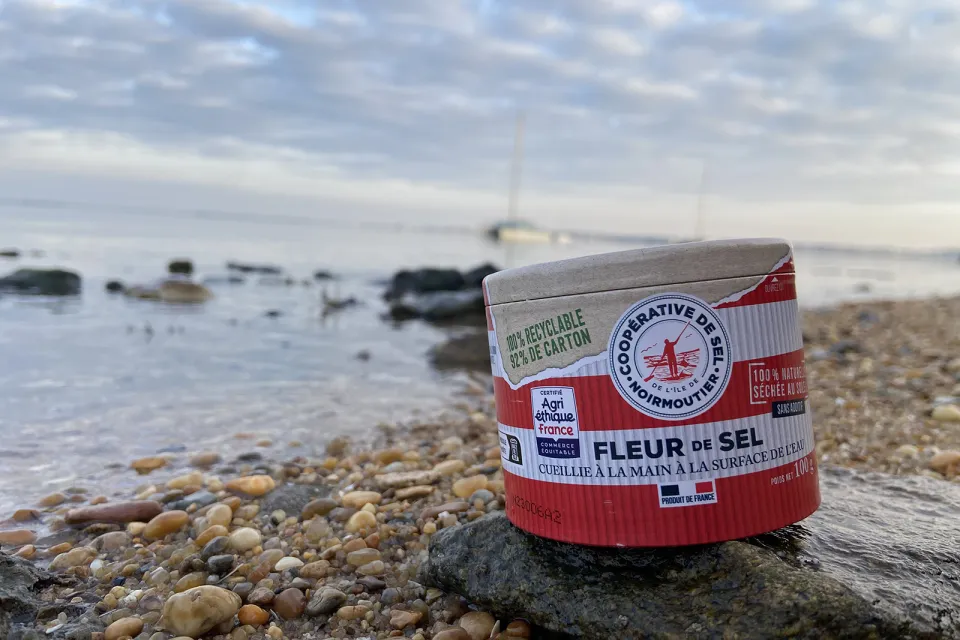
Noirmoutier salt shop
2,2 km
Istreg Degustation
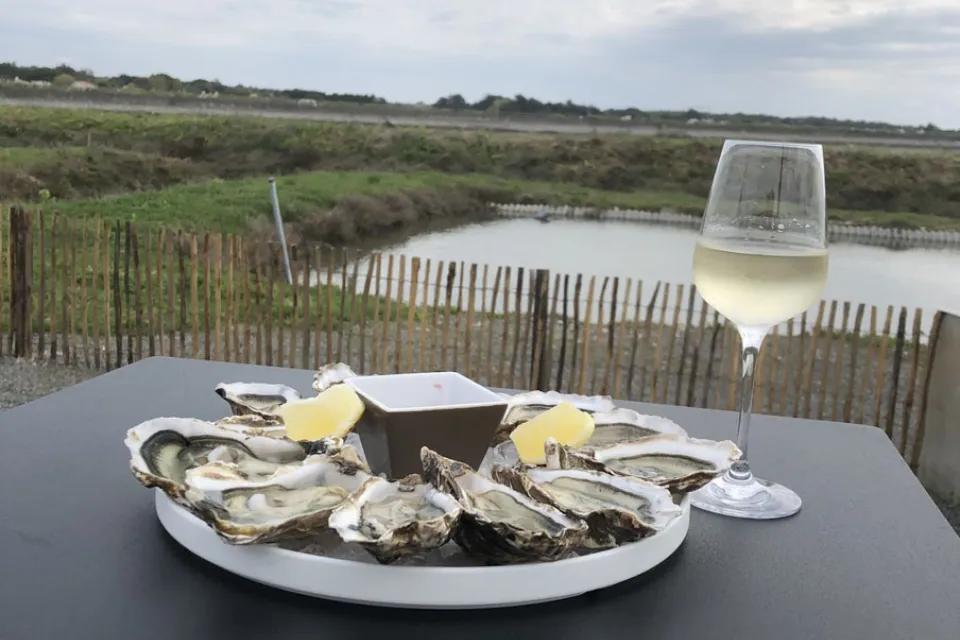
Fresh seafood and a maritime atmosphere in Noirmoutier
2,4 km
Huîtres et moules de Vendée
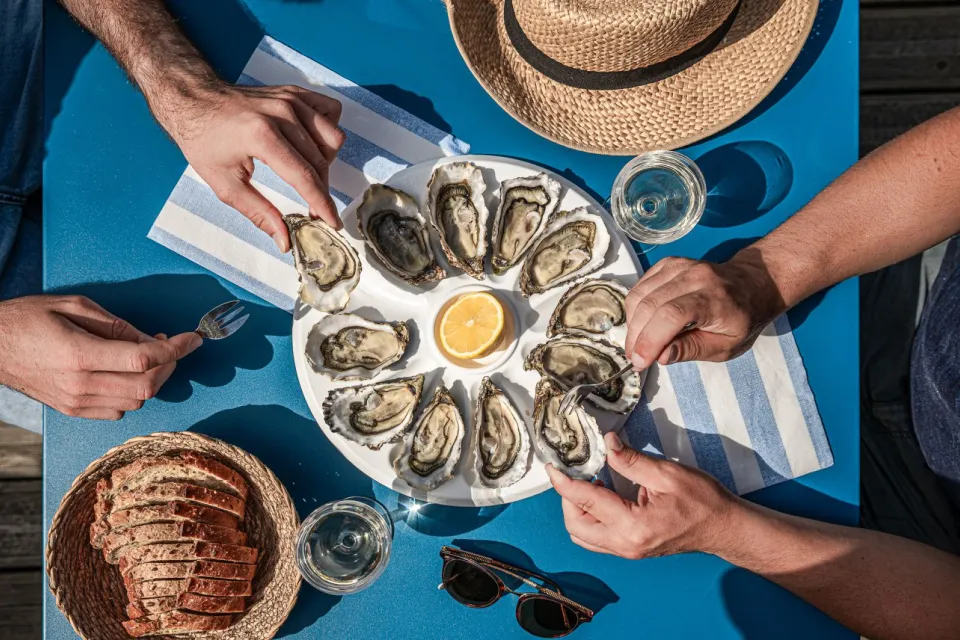
Seafood to enjoy from Aiguillon-la Presqu'île to Noirmoutier
12,0 km
Did you enjoy our article? Find more in our Top Experiences section.
Follow us on the Guide Vendée Facebook page and on Instagram @guidedelavendee
Sponsored article
You will also like
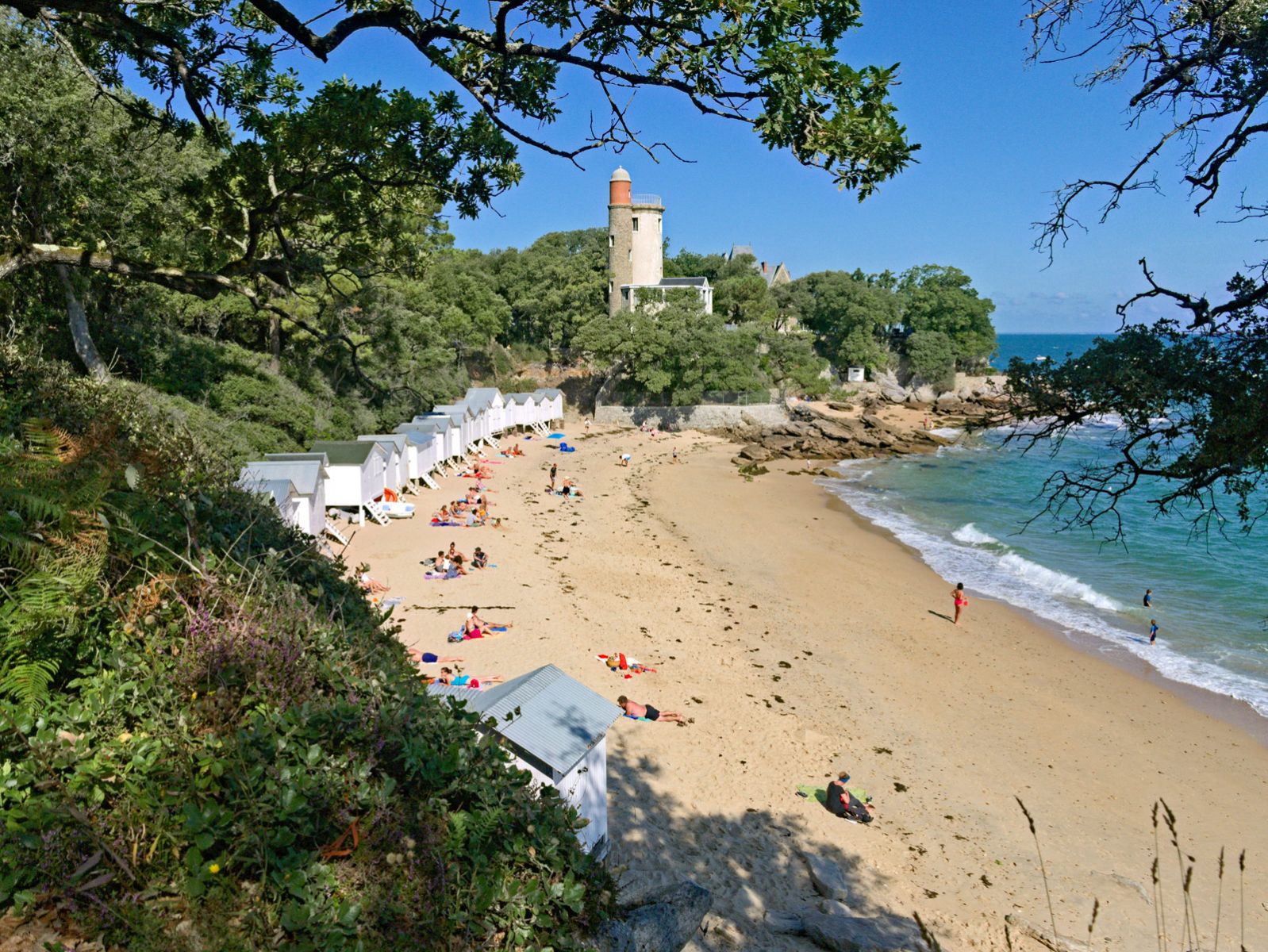
Top 10 must-sees in Noirmoutier
2,3 km
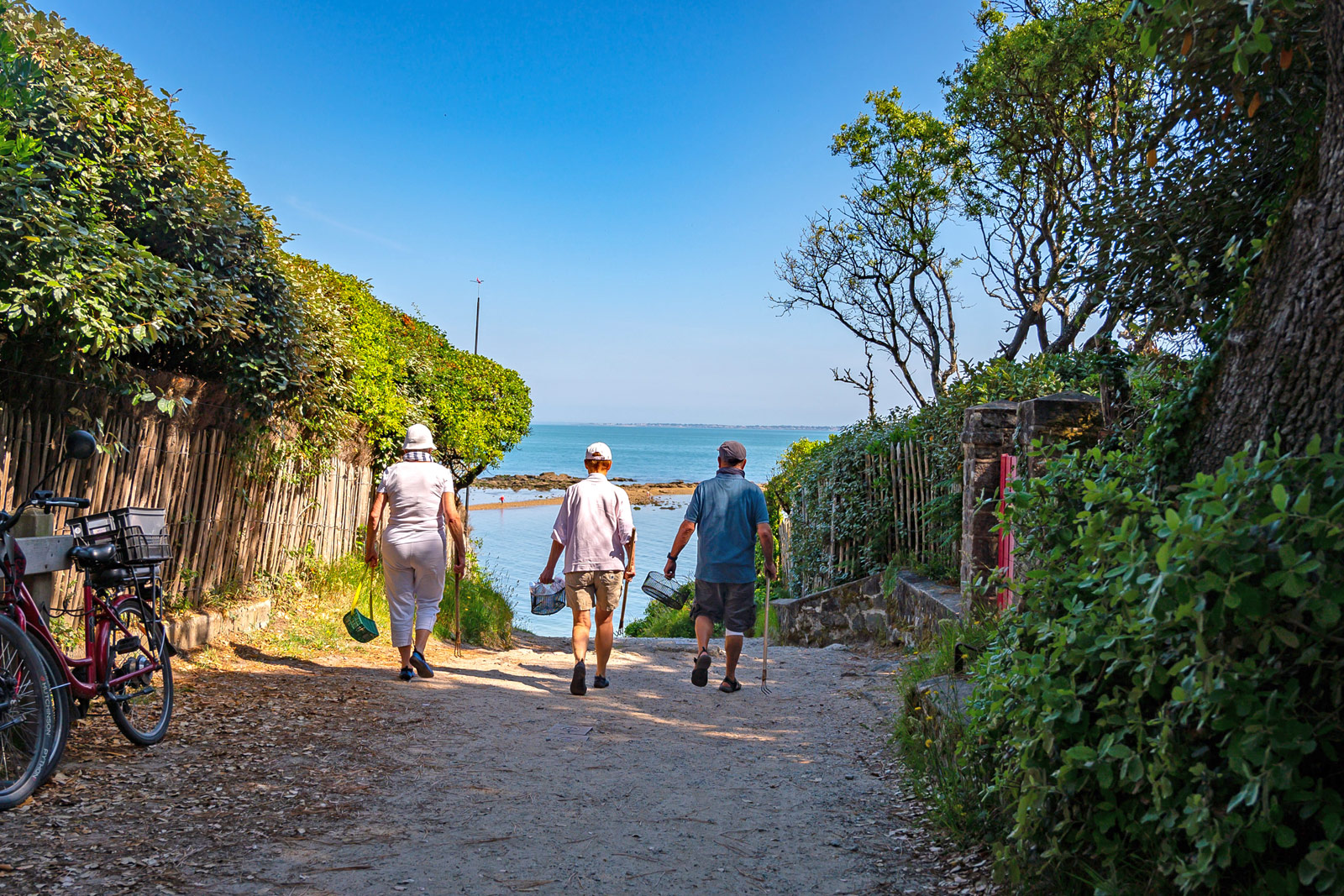
Everything you need to know about shellfish gathering in the Vendée region
2,3 km
The good local products of the Vendée
2,3 km
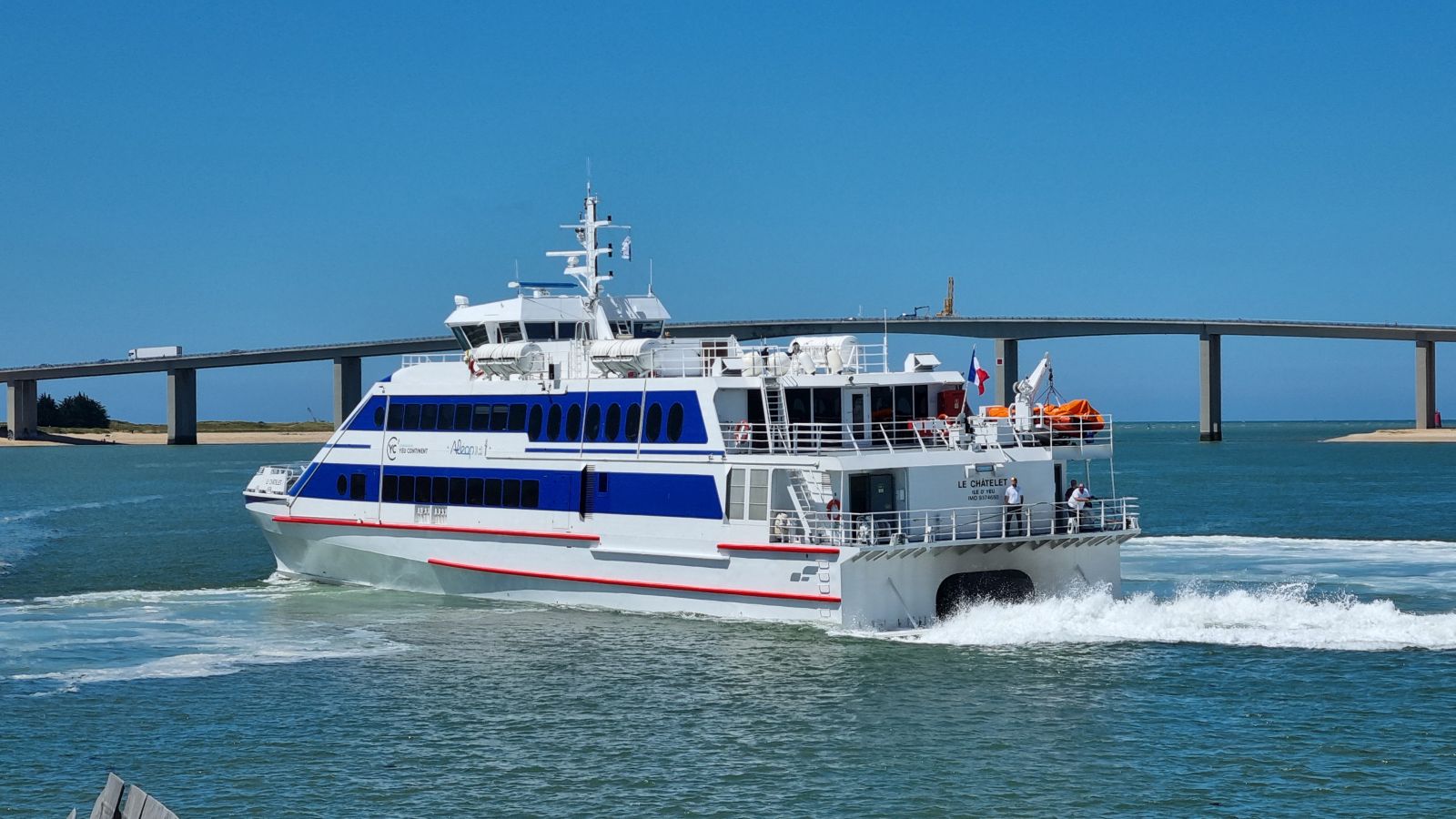
The Yeu Continent Company, the promise of an unforgettable experience to be enjoyed all year round on the island of Yeu
16,2 km
What to do at Barre-de-Monts-Fromentine?
16,2 km
Hiking in Vendée: circuits, routes and good deals
16,2 km
What to do in autumn in Vendée
20,6 km
The Vendée region for couples: a beautiful getaway for two

26,7 km
To discover around

Ride around
Chemin de mer et de marais - Ile de Noirmoutier
Chemin de mer et de marais - Ile de Noirmoutier
1,8 km - L'Épine
Roses trémières - Ile de Noirmoutier
Roses trémières - Ile de Noirmoutier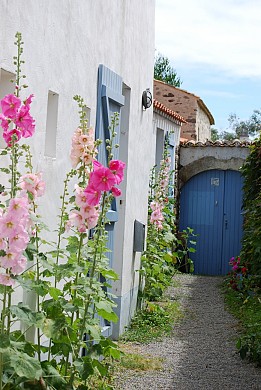
2,2 km - Noirmoutier-en-l'Île
Vélocéane 2012 sur l'île de Noirmoutier
Vélocéane 2012 sur l'île de Noirmoutier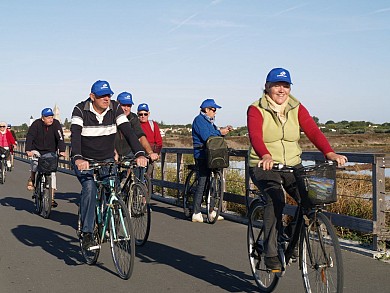
2,4 km - Noirmoutier-en-l'Île
Sur les traces de Jacobsen - Ile de Noirmoutier
Sur les traces de Jacobsen - Ile de Noirmoutier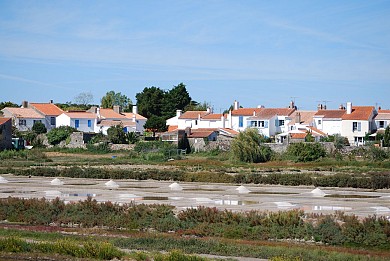
2,6 km - Noirmoutier-en-l'Île
Passing by the mills - Noirmoutier Island
Passing by the mills - Noirmoutier Island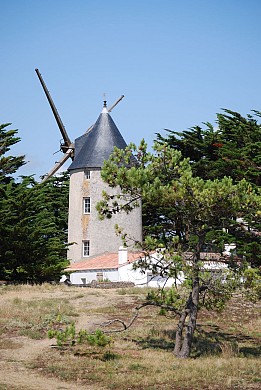
4,6 km - La Guérinière