- Home page
- Top experiences
- Not to be missed
- The must-see sites of the island of Yeu
- Not to be missed
- Top experiences
The must-see sites of the island of Yeu
The Île d'Yeu welcomes you for a stay you'll remember for a long time. Welcome to this little treasure of the Atlantic where nature reigns supreme. Far from the hustle and bustle of the mainland, this Vendée island is best explored at a more leisurely pace, ideally by bicycle, following the paths and the ever-changing landscapes.
Between its rugged coastline, secluded beaches, and rich historical heritage, the Île d'Yeu promises a timeless journey. Embark on a tour of the island's wonders. One thing is certain: the Île d'Yeu will leave a lasting impression.
Anse des Soux beach
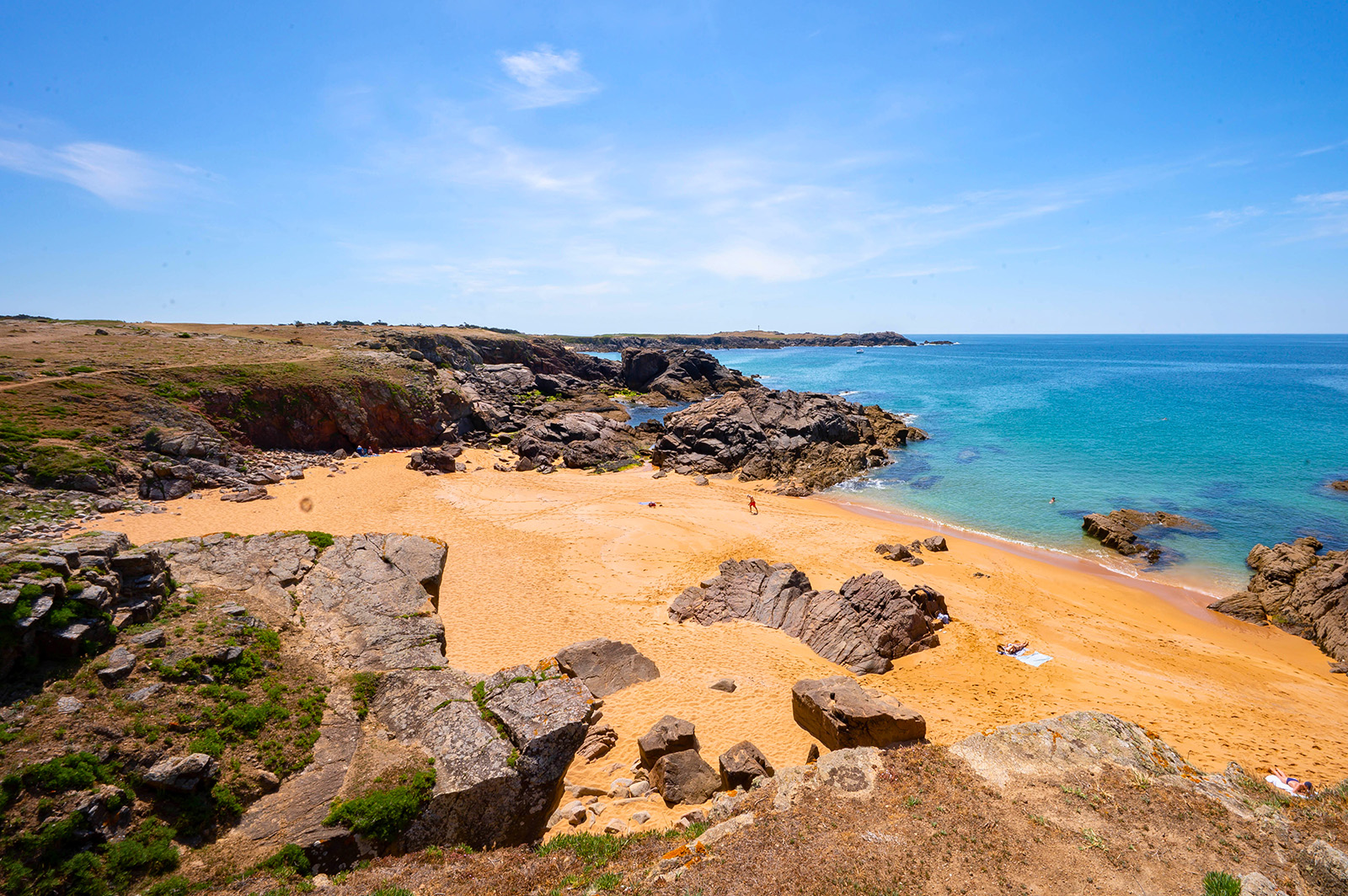
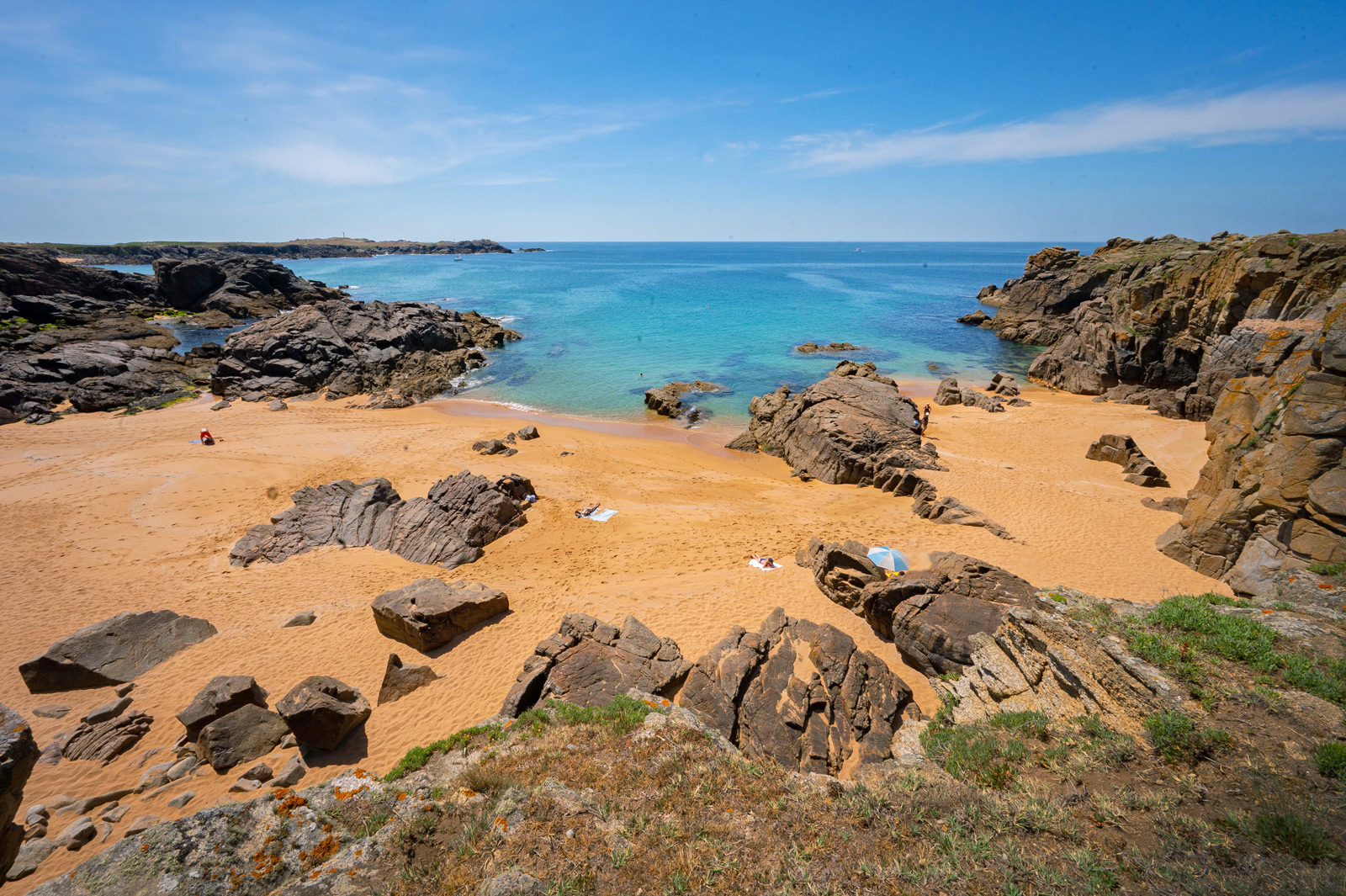
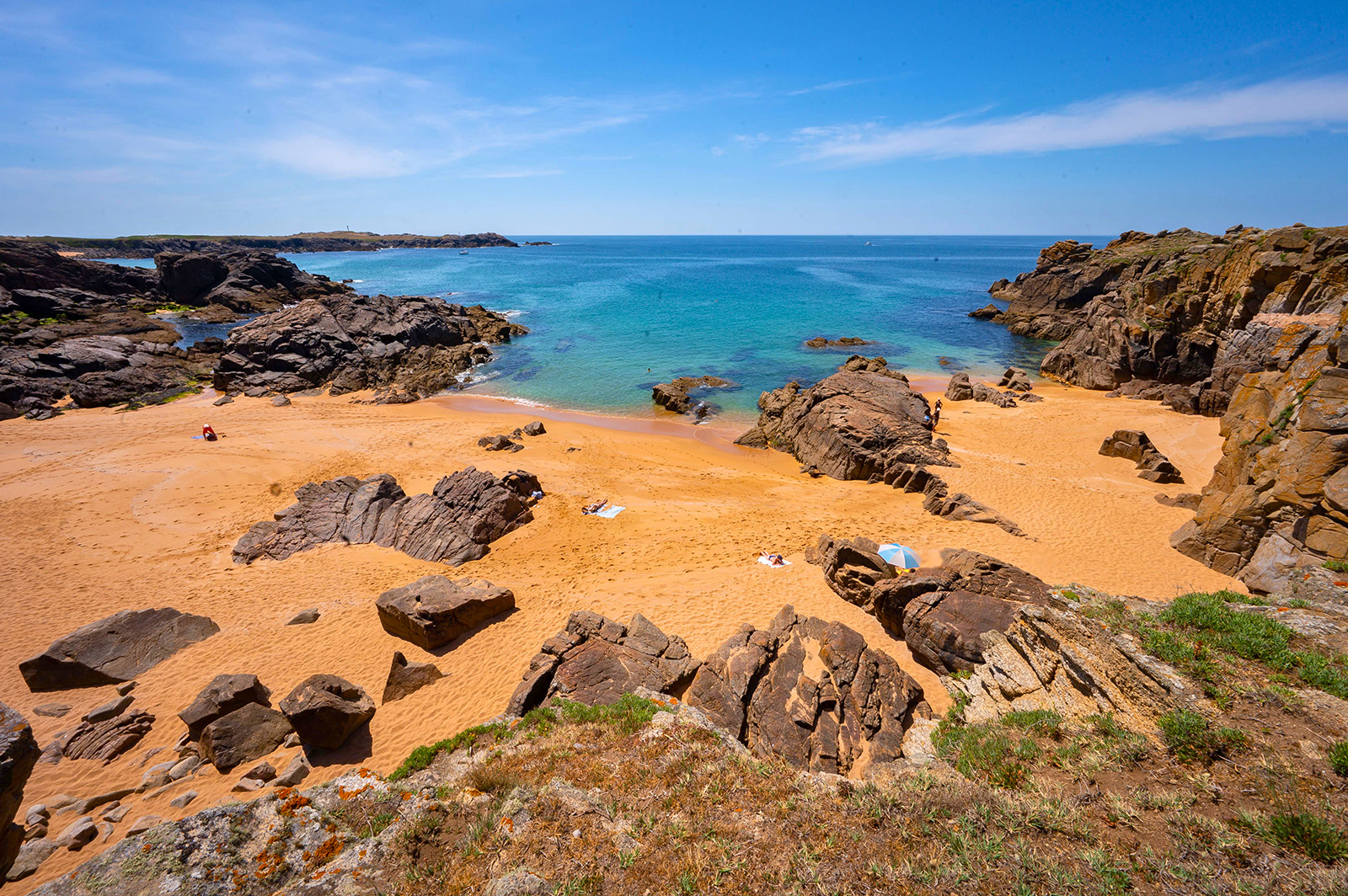
Nestled in a small cove, Anse des Soux is a true postcard scene of the Île d'Yeu. Its setting is spectacular : surrounded by steep cliffs and rocks, it reveals a small stretch of fine sand bathed by translucent waters.
Reaching this beach requires a bit of effort. After leaving your bike on the coastal path, you'll need to descend a series of steps, some easier than others. This helps to keep it somewhat less crowded and gives it an intimate atmosphere. At the bottom, the view is breathtaking. Anse des Soux is an ideal spot for swimming in a dreamlike setting, relaxing on the sand, or simply admiring the magnificent surrounding landscape.
This is an absolute must for anyone looking to discover the raw, wild beauty of Île d'Yeu. Want to feel like you're the only person in the world? You've come to the right place!
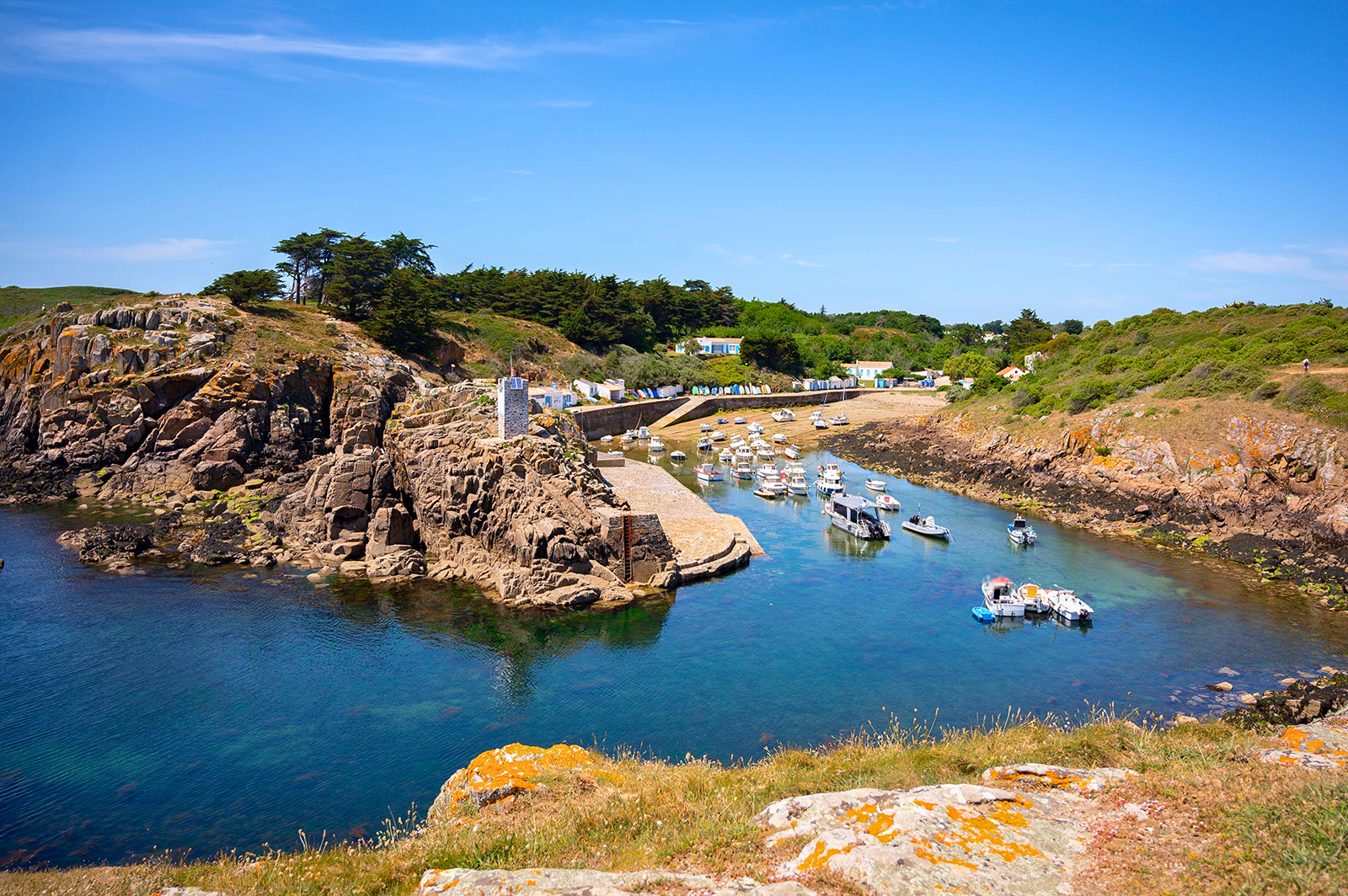
The Port of the Millstone
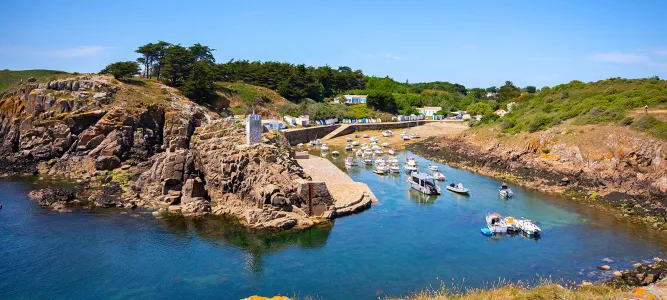
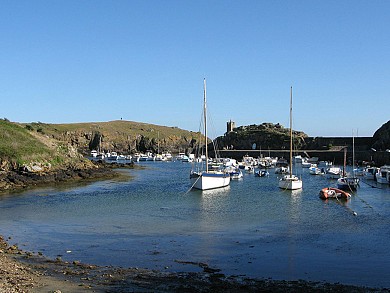
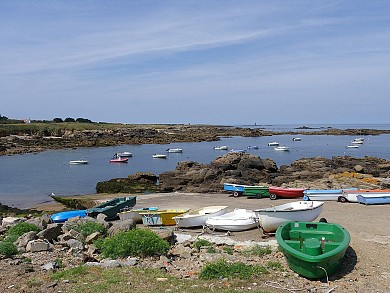
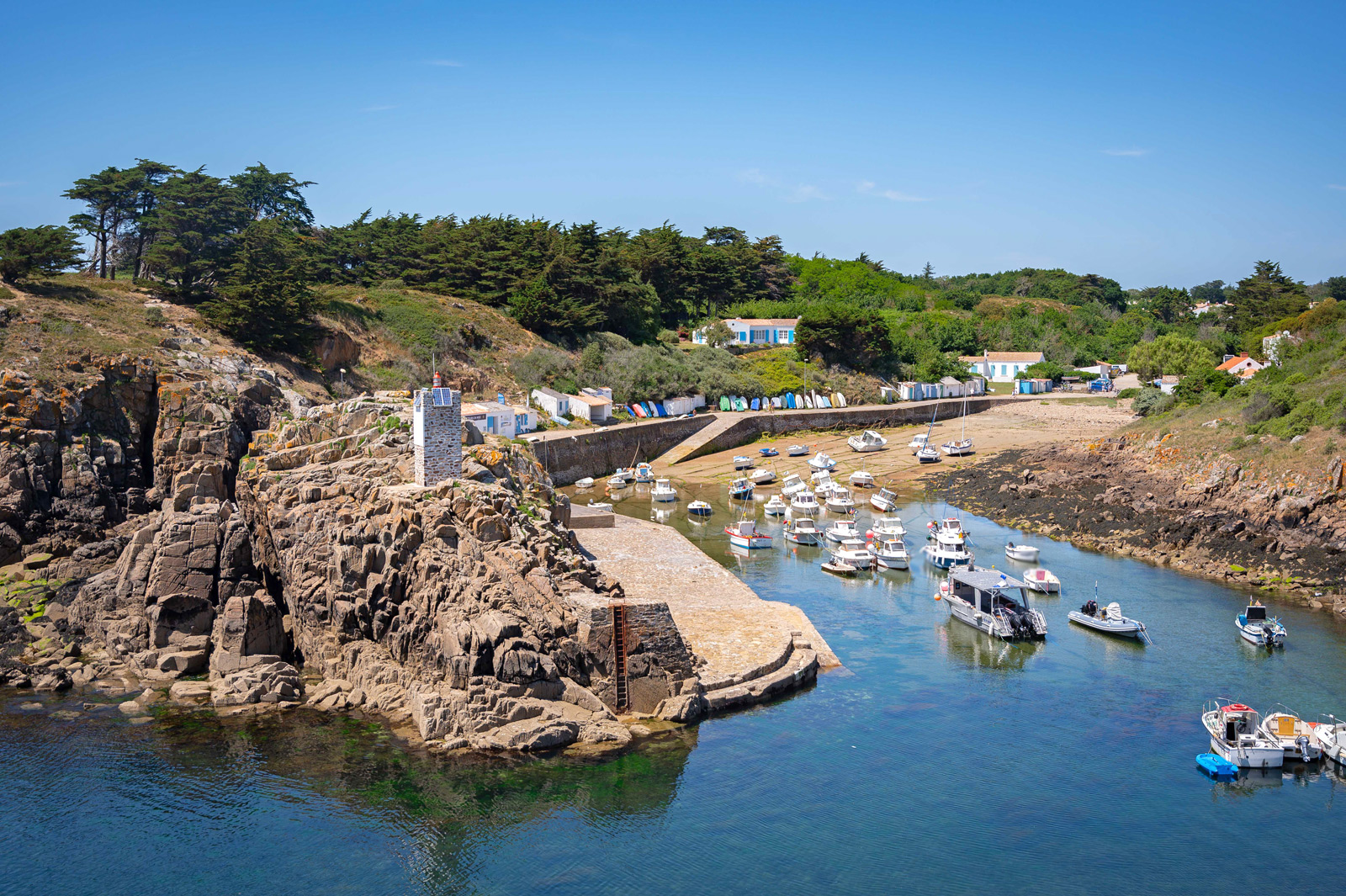
If only one place could be chosen to sum up the charm of the Île d'Yeu, the Vendée Guide would undoubtedly choose the Port de la Meule. This small natural port, nestled at the end of a deep cove on the wild coast, is often considered the most beautiful and most photographed on the island.
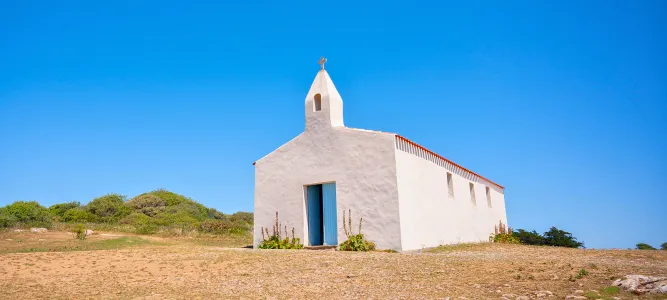
It's a haven of peace where colorful fishing boats bob gently on the waves, sheltered by steep cliffs. The view is dominated by the small chapel of Notre-Dame de Bonne Nouvelle, perched on the cliff, watching over the sailors. The atmosphere is timeless. The place has only a few small fishermen's huts, which contributes to its authentic and unspoiled character.
Accessible via the coastal path, the Port de la Meule offers a spectacle that is both wild and peaceful. Whether at sunrise, when the colours awaken, or at the end of the day for an impromptu picnic, the magic always works.
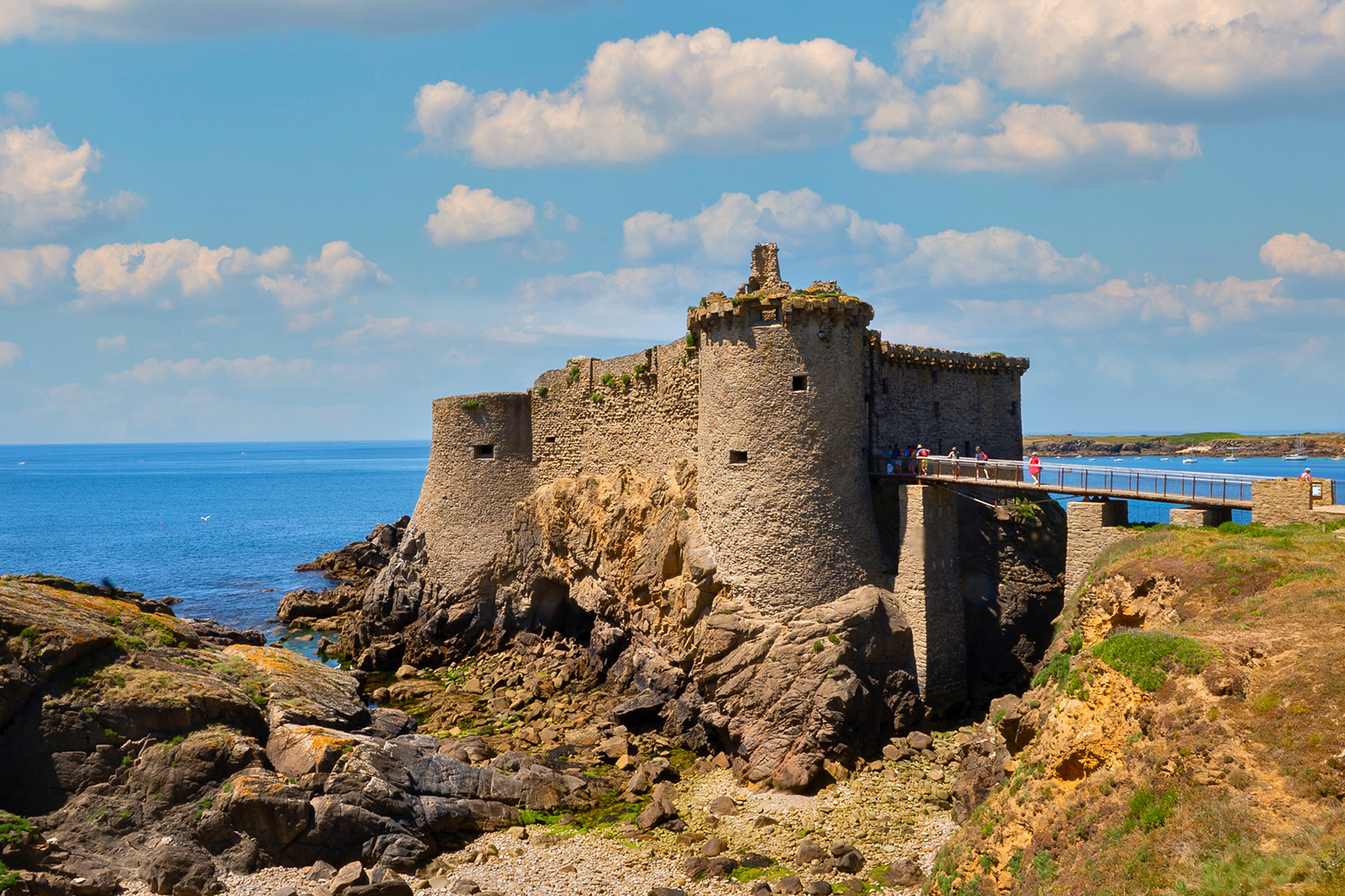
The Old Castle
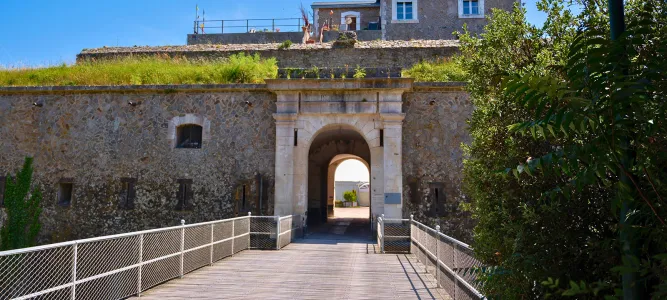
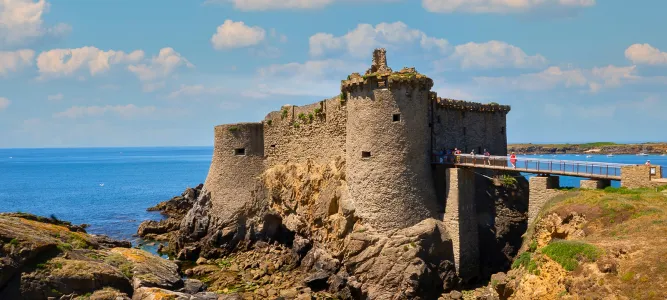
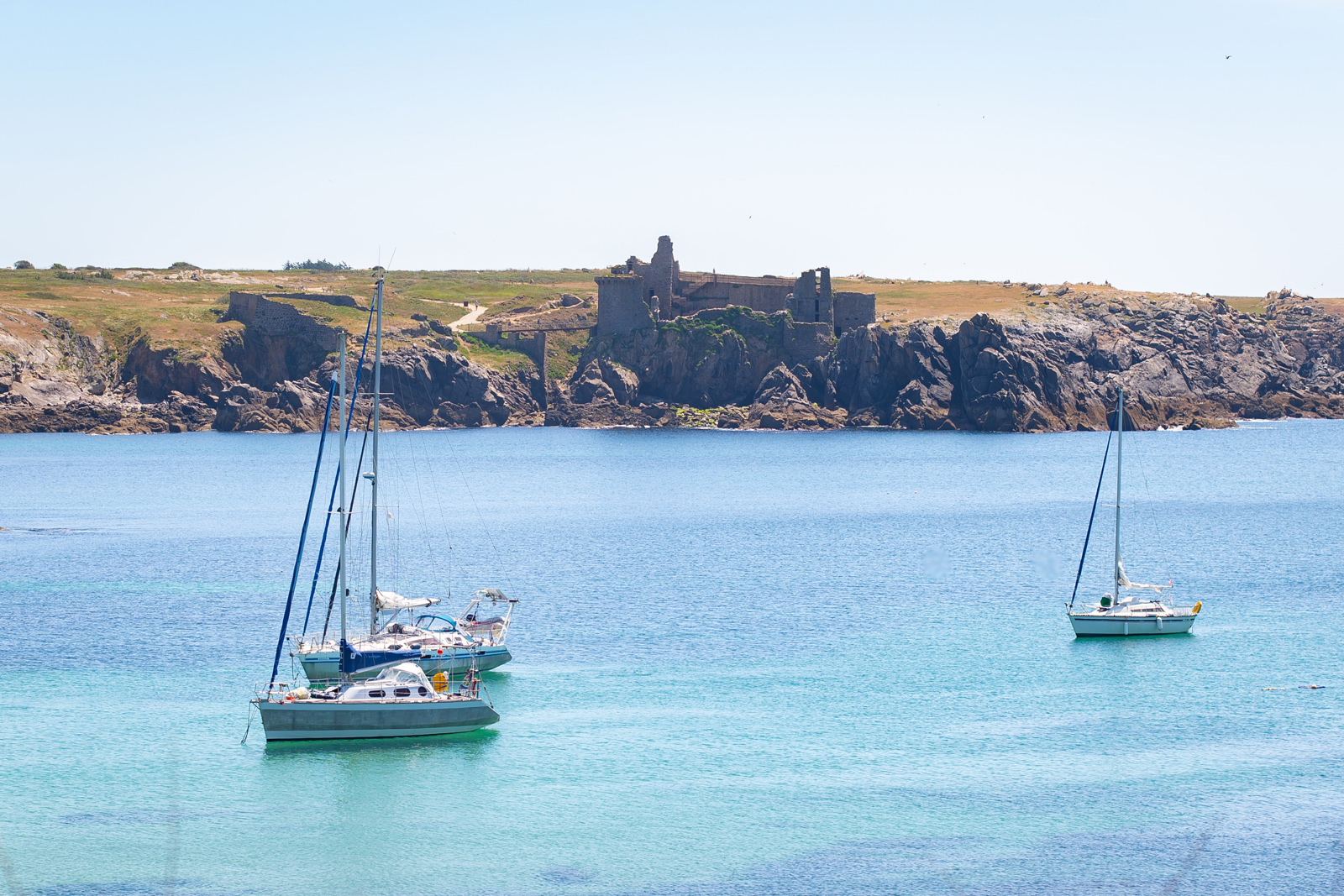
Perched atop a rocky promontory, the Old Castle is undoubtedly the historical emblem of the island of Yeu. Its imposing ramparts and crenellated towers seem to defy the Atlantic, offering a spectacle that is both majestic and romantic.
Built in the 14th century to protect the island from invasions, this medieval castle has had a turbulent history, enduring assaults and destruction over the centuries. Although now in ruins, it retains a power and charm that fascinates visitors.
A visit to the Old Castle is ideal for exploring the remains of the keep, the living quarters, and the ramparts, while enjoying breathtaking views of the rugged coastline and the ocean. It's a must-see for lovers of heritage and captivating stories.
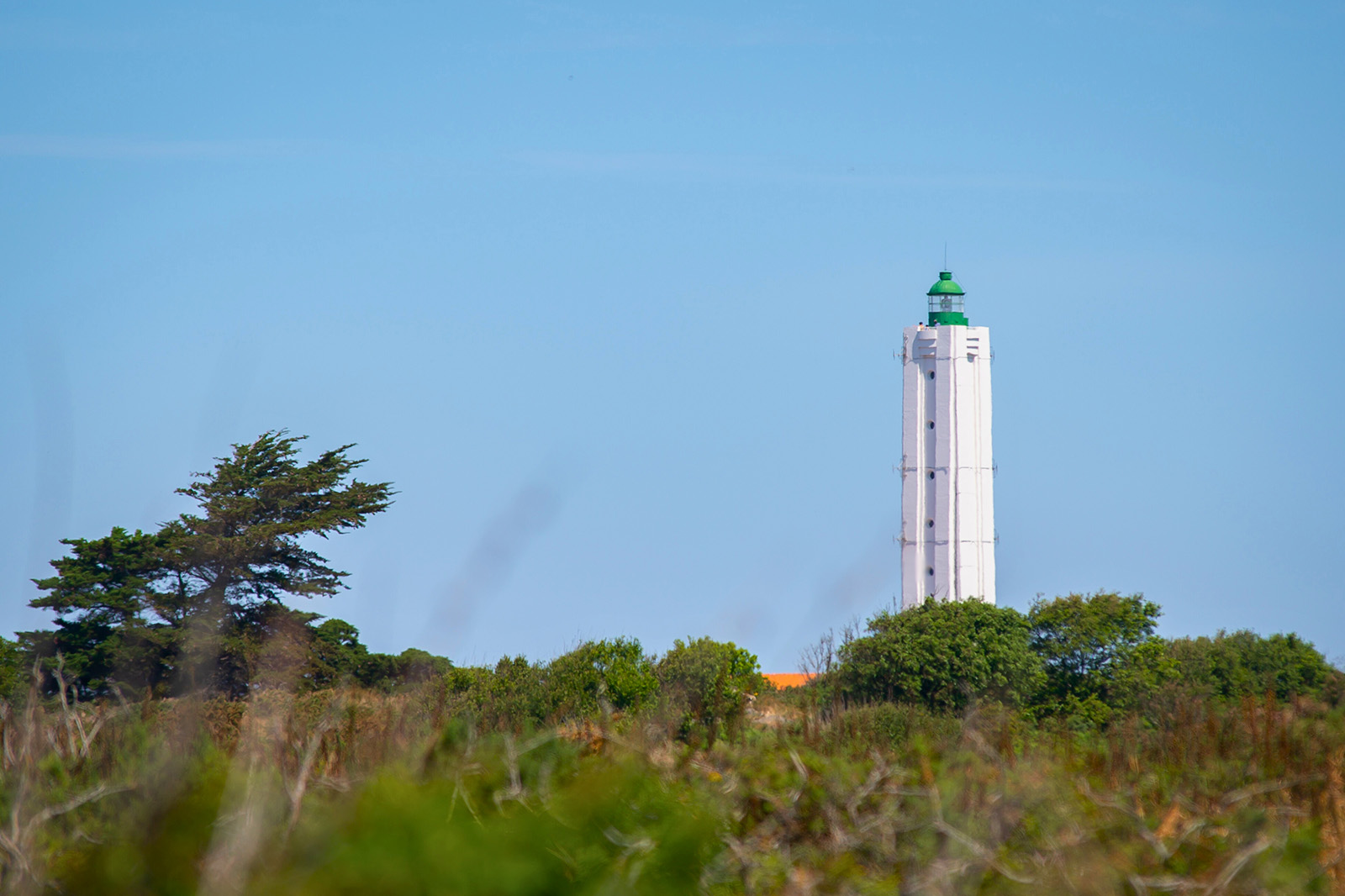
The Great Lighthouse
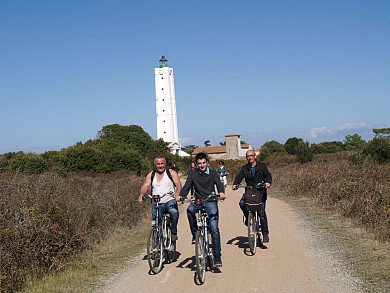
The Grand Phare lighthouse stands proudly in the northwest of the island. It is not only a guide for sailors, but also an exceptional viewpoint for visitors. The first lighthouse to be electrified in France, it has a unique history : destroyed during the Second World War, it was rebuilt exactly as it was and put back into service in 1950.
Standing 57 meters tall, it overlooks the island and the ocean. To reach the lantern and the breathtaking view it offers, you must climb its 198 steps (not 200, 198!). The effort is well worth it: once at the top, the 360-degree view is simply stunning. Before you, the entire island, its rugged coastline, its dunes, its harbors, stretches to the horizon, where the ocean merges with the sky.
The Grand Phare is therefore much more than just a maritime signaling structure. It is an essential landmark and an experience in itself for anyone wishing to understand the geography and beauty of the Île d'Yeu.
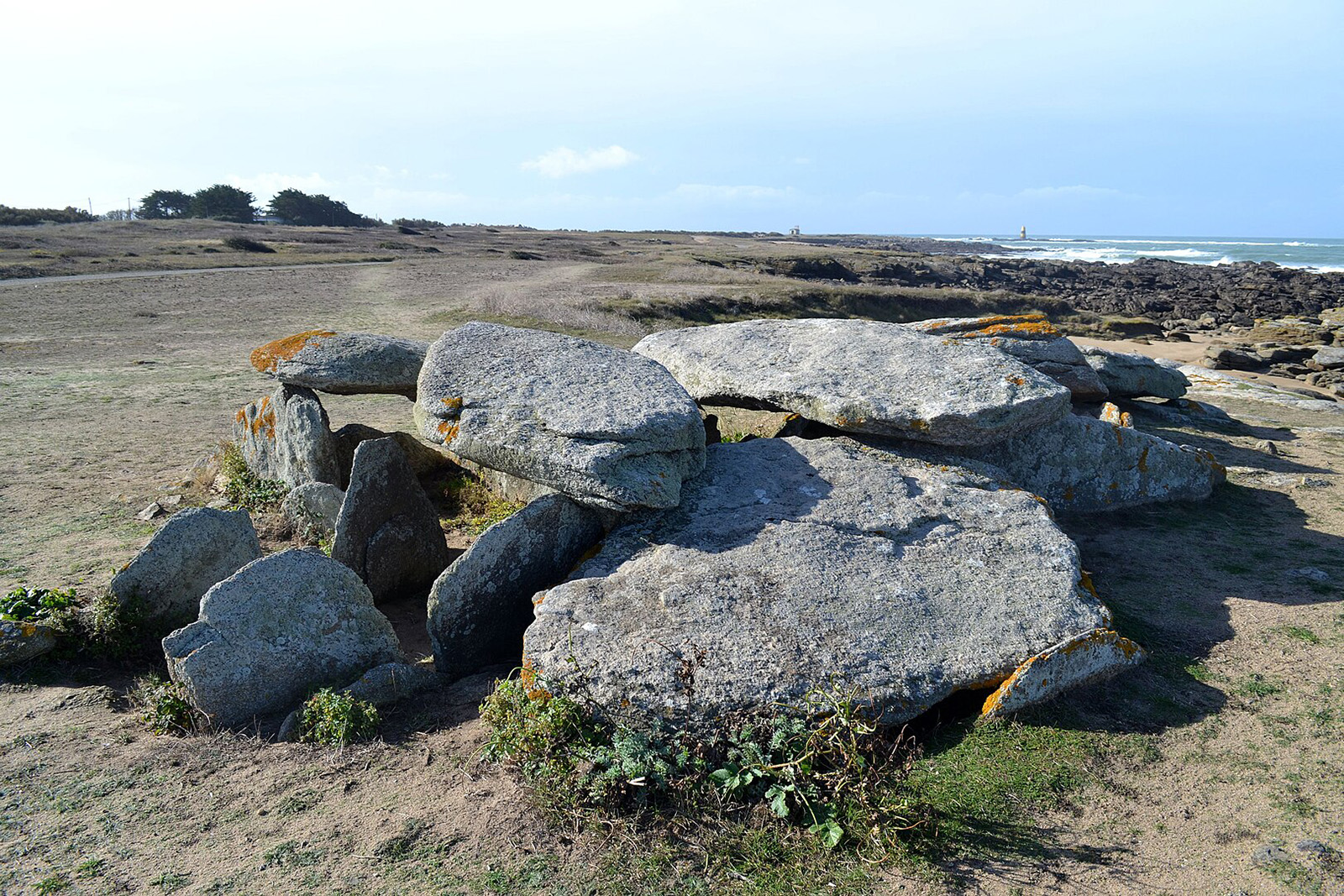
The Dolmen of Planche-à-Puare
While the island of Yeu is famous for its seascapes and medieval heritage, it also holds much older treasures. The Dolmen de la Planche-à-Puare, located inland, is one of the most fascinating witnesses to this prehistoric history.
Classified as a historical monument, this Neolithic funerary dolmen is an imposing vestige that takes us back thousands of years. Despite the passage of time and deterioration, the structure remains recognizable, composed of a large stone slab resting on vertical supports. It's easy for the Vendée Guide to imagine the rites and ceremonies that may have taken place there.
Surrounded by heath and vegetation, the Dolmen site offers a mysterious and timeless atmosphere. It is a place that invites contemplation and reflection on the first civilizations to have walked the island's soil. It perfectly complements the must-see attractions by offering an immersion into another dimension of the history of Île d'Yeu.
Port-Joinville
Port-Joinville is the nerve center and soul of the Île d'Yeu. It is here that the activity is concentrated and where visitors discover the first facets of island life. With its lively quays and shopping streets, it sets the tone for the entire stay.
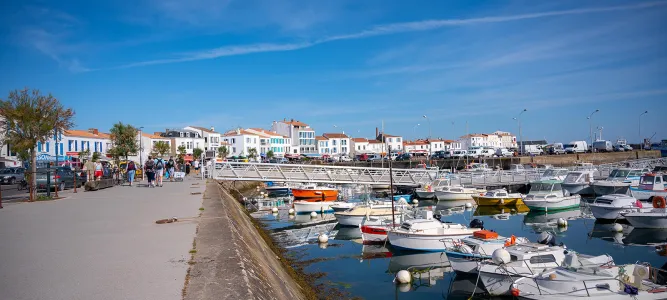
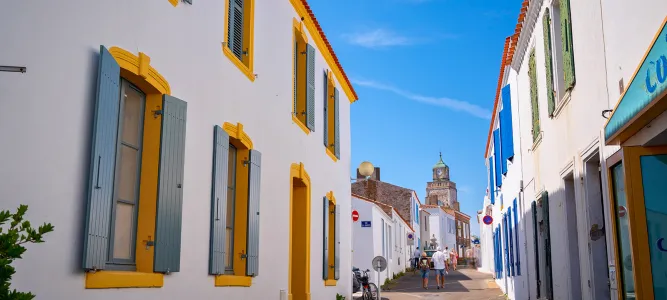
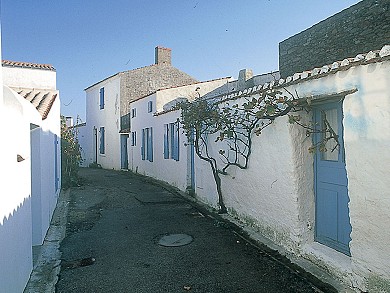
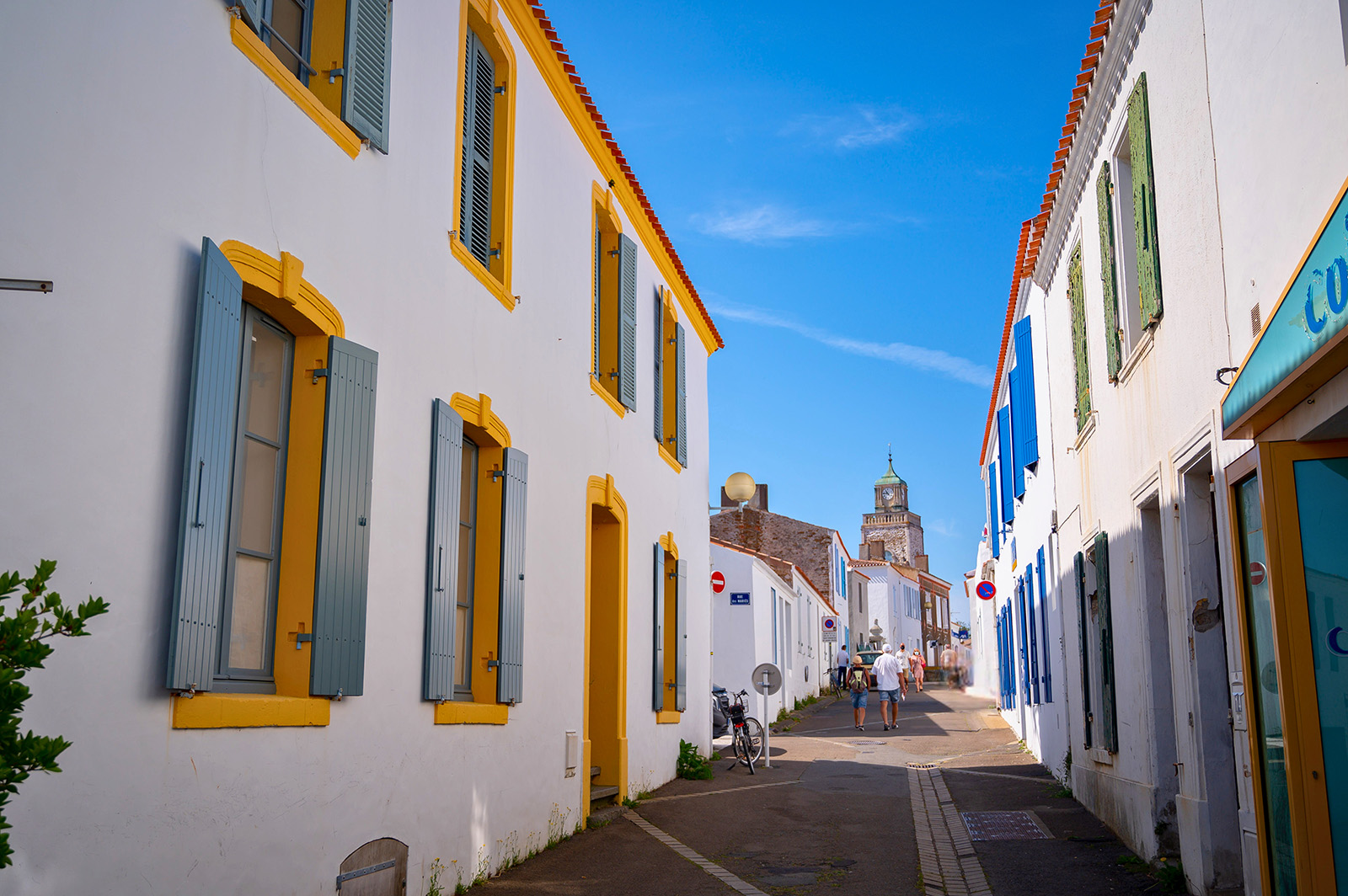
This deep-water port accommodates passenger ferries, fishing boats, and pleasure craft. As you stroll along, observe the comings and goings of the sailors and the ballet of trawlers unloading their daily catch. The port is surrounded by white houses with colorful shutters, characteristic of the local architecture.
In the adjacent streets, you'll find numerous restaurants, bars, shops, and bike rentals, making Port-Joinville a lively place to live. It's the ideal starting point for exploring the rest of the island, but it's also a great place to stroll, sit on a terrace, and soak up the island's unique atmosphere.
Sabias Beach on the Wild Coast
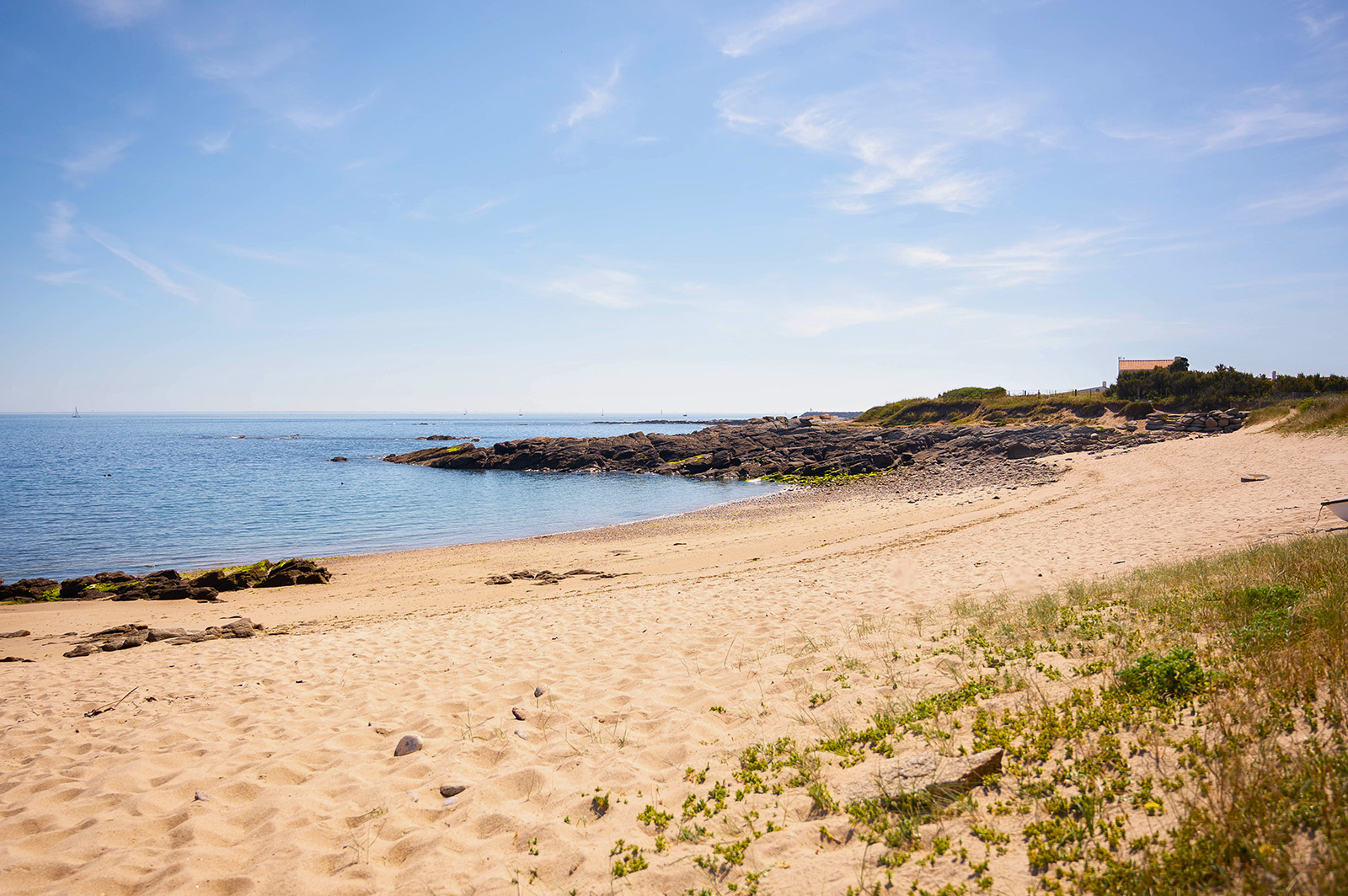
Sabias Beach, while not the largest on the island, possesses a captivating charm and authentic character that make it a must-see on the wild coast. Located not far from the Old Castle, it is a true hidden cove offering a unique spectacle.
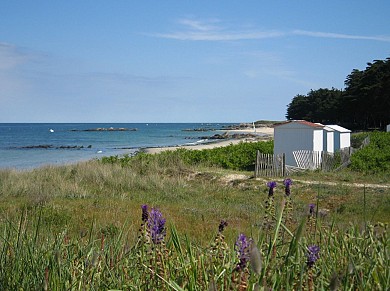
What makes it so special are the rocks scattered across its fine sand and the small fishermen's huts that surround it, built in the purest spirit of the island. These colorful shelters give the beach an end-of-the-world feel and bear witness to the simple and rugged life of the fishermen of yesteryear.
Sheltered from the wind by cliffs, it's an ideal spot to relax, enjoy the tranquility, and admire the wild beauty of the coastline. You can swim peacefully or simply take photos of its unique scenery. Sabias Beach is the perfect place for those seeking authenticity and picturesque charm, far from the more crowded beaches.
La Mission L'Île d'Yeu

A family home on the island of Yeu
1,2 km
Camping L'Océan
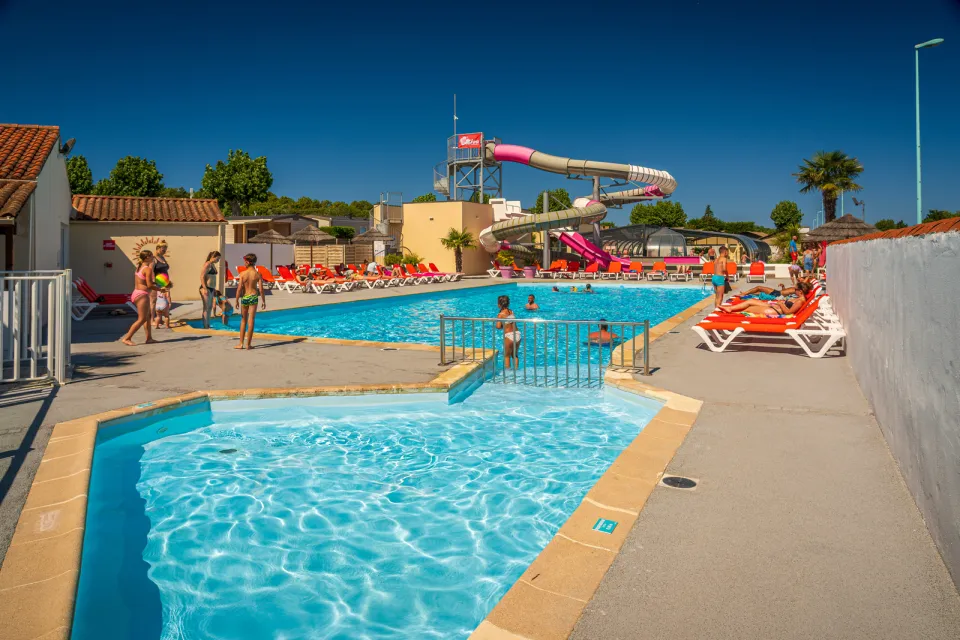
Outdoor accommodation in Saint-Jean-de-Monts
22,8 km
Le Bercail
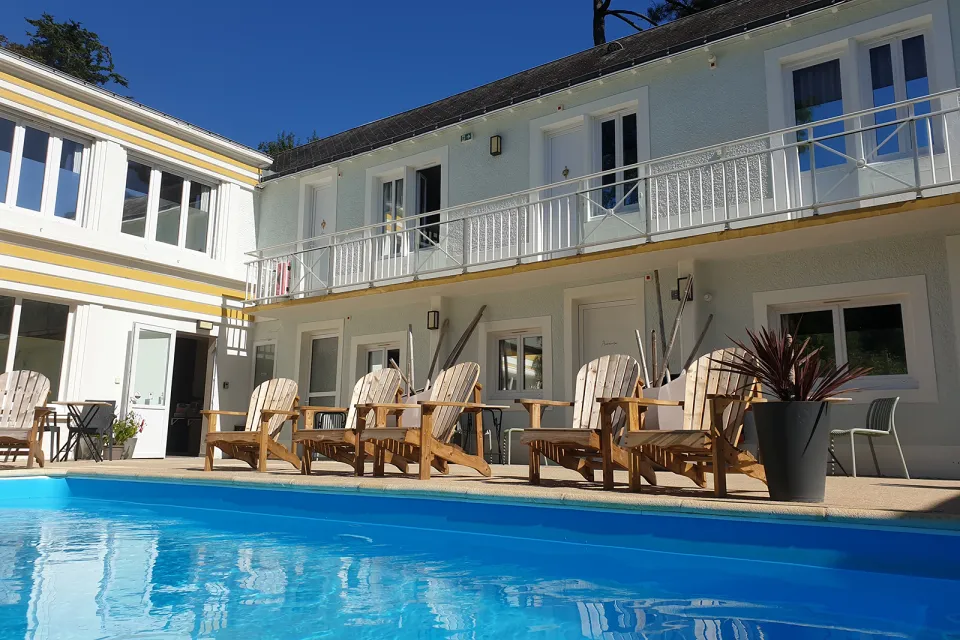
Nice 3-star hotel near the beach in Saint-Jean-de-Monts
23,2 km
Did you enjoy our article? Find more in our Top Experiences section.
Follow us on the Guide Vendée Facebook page and on Instagram @guidedelavendee
You will also like
The tour of the island of Yeu by bike
5 must-do activities for families in Vendée
The 10 most beautiful beaches in Vendée
Castles to visit in Vendée
The Vendée region for couples: a beautiful getaway for two

23,7 km
The best markets in Vendée

23,7 km
Top 10 activities to do in Saint-Jean-de-Monts!
23,7 km
7 days in Vendée: Visit the Vendée Coast in 1 week
23,7 km